
 EN
EN Turkish
Thermal Imaging for Marine Firefighting
M400XR: Purpose-Built for Marine Firefighting
FLIR Marine cameras are essential tools for night-time navigation, collision avoidance, and long-range observation. For marine firefighting vessels, selecting the right thermal camera can significantly enhance mission safety and effectiveness.
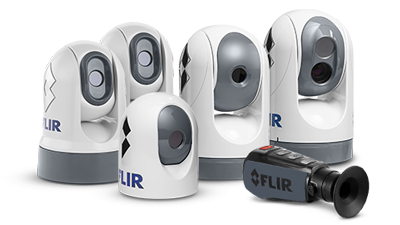
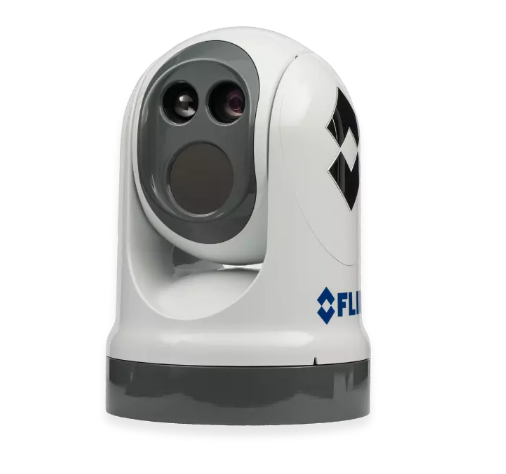
Designed specifically for marine fire service, the FLIR M400XR is a high-performance, triple-payload thermal imaging system. Featuring an advanced thermal imager, HD ultra low-light camera, and a borescope-aligned LED spotlight, this gyro-stabilized pan-tilt-zoom system is engineered to withstand the rigors of emergency response operations.
Enhancing Situational Awareness
Fireboat duty is demanding, where every second counts. Responders must have instant access to clear, actionable information to make quick, informed decisions. The M400XR serves as an extra set of eyes, helping crews spot vessel traffic, obstacles, floating debris, and navigational markers - day or night. By improving visibility, it ensures marine firefighters arrive on scene safely and efficiently.
Firefighter Mode: Optimized for Extreme Temperatures
Standard thermal cameras used for navigation and collision avoidance have a 300°F temperature calibration limit, insufficient for fire scenes' high heat. The M400XR, however, is optimized for temperatures up to 1000°F, delivering superior firefighting capabilities.
- Radiometric measurement detects and displays real-time temperature readings in the camera’s field of view.
- A center-spot measurement tool provides precise temperature data for targeted assessment.
- The Isotherm color palette highlights the hottest areas, dynamically colorizing hotspots in red-to-orange while cooler regions appear in shades of gray. This enables firefighters to focus suppression efforts effectively.
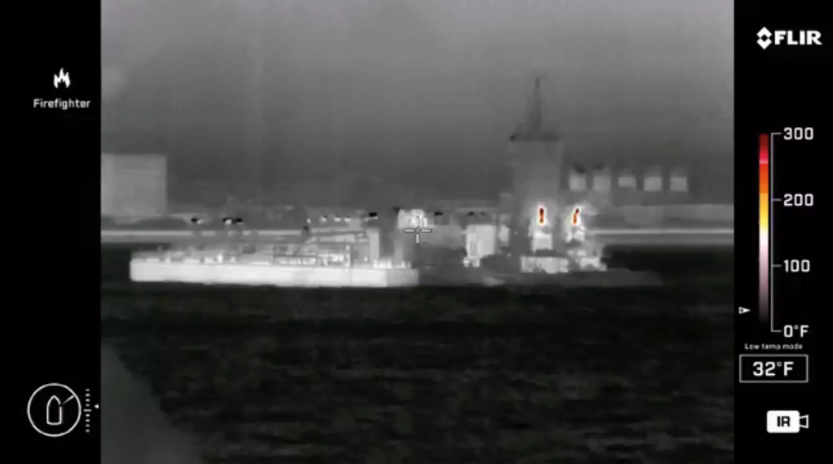
-
Seeing Through Smoke & Assessing Structural Integrity
Thermal imaging isn’t just about heat detection - it penetrates smoke and dust, providing commanders with a clearer view of the situation. Firefighters in view of the M400XR become more visible to fireboat crews, improving coordination and safety.
Additionally, thermal imaging offers crucial insights into vessel structures:
- Detects temperature variations that reveal differences between hot and cold compartments.
- Identifies water accumulation, tank levels, and burn-through risks.
- Assists in assessing the condition of victim vessels and marine structures.
-
A Critical Tool for Marine Firefighting
High-performance thermal cameras are indispensable on any vessel, but for fast-response firefighting teams, they are mission-critical. The FLIR M400XR brings next-level situational awareness, helping marine crews see, assess, and respond more effectively when every second matters.
Blog Posts
Thermal Camera Selection
How Far Can I See?
How Should Human Temperature Be Measured?
What is Wide Dynamic Range?
MYNOISE AUDIO MIXER REVIEW

WHAT IS A WIRELESS DISTRIBUTION SYSTEM?

POE VS. POE+ VS. POE++: CHOOSING THE RIGHT INDUSTRIAL ETHERNET SWITCH FOR YOU
INDUSTRY-LEADING INDUSTRIAL ETHERNET SWITCHES

UNDERSTANDING WHAT THE INDUSTRIAL INTERNET OF THINGS IS
THE DIFFERENCE BETWEEN A HUB, SWITCH, & ROUTER
5 Benefits of Thermal Imaging Cameras

DIFFERENCE BETWEEN INDUSTRIAL ETHERNET AND REGULAR ETHERNET

INDUSTRIAL NETWORKING EQUIPMENT USED FOR AUTONOMOUS VEHICLES

CYBERSECURITY: PROTECTING INDUSTRIAL CONTROL SYSTEMS
HOW INDUSTRIAL NETWORKING CAN PROVIDE SECURITY FROM DRONES
.webp)
Thermal Cameras Reveal How to Keep Your Home Cool During a Heat Wave
FLıR ONE PRO
.png)
Unmatched Maritime Awareness with Cooled Thermal Imaging
.png)
What Is the Right Handheld Thermal Camera for You?
.png)
Camera Resolution and Range
.png)
Special Applications for Marine Cameras
.png)
What’s The Difference between Thermal Imaging and Night Vision?
.png)
Can Thermal Imaging See Through Fog and Rain?
Which Cx-Series Camera Is Right for You?
.png)
What is MSX®?
Five Reasons Maritime First Responders Need Thermal Imaging
.png)
3 Distinguishing Features of Superior Thermal Cameras
.png)
Determine Which Visible and Thermal Security Cameras You Need
Bullet vs. PTZ vs. Dome: Which Security Camera Is Right for You?
Interfaces for Machine Vision
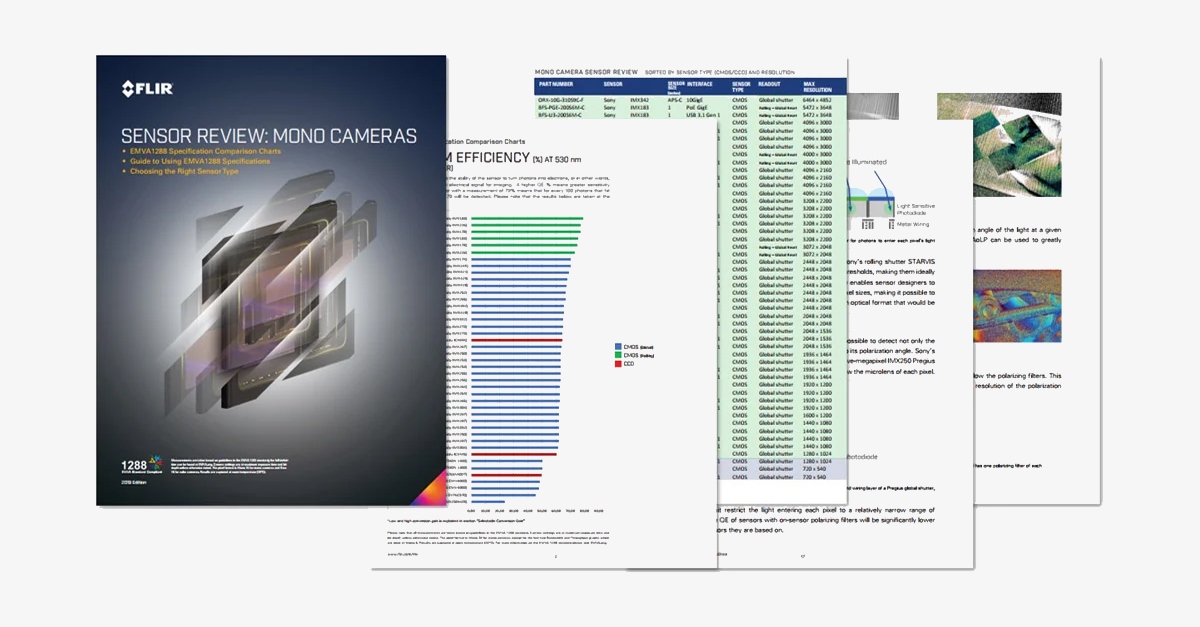
Machine Vision Sensor Review
.png)
Teledyne FLIR, the Industry Leader, Launches Boson +, a Long-Wave Infrared Thermal Imager Module with an Accuracy of Less Than 20 mK
.png)
Whitepaper: IP-Based Security Convergence
.png)
3 Technologies Transforming Safe Cities into Smart Cities
.png)
Insights from the Field: Ensuring Workplace Safety Using Thermal Camera Screening for Entry Control
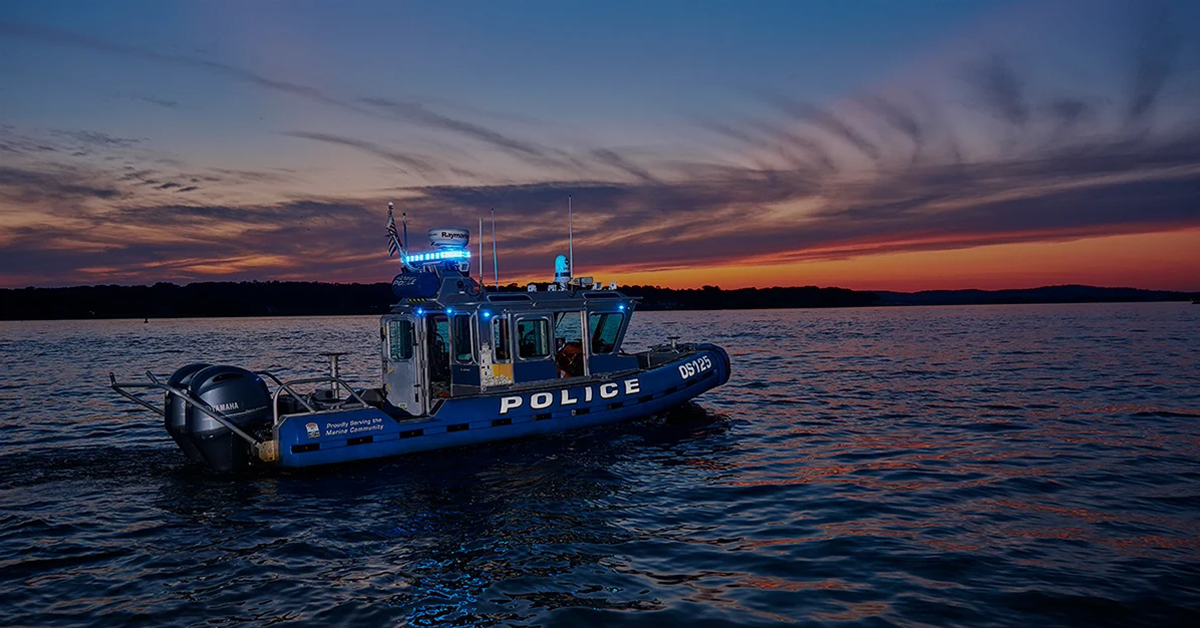
Thermal Night Vision as a Force Multiplier
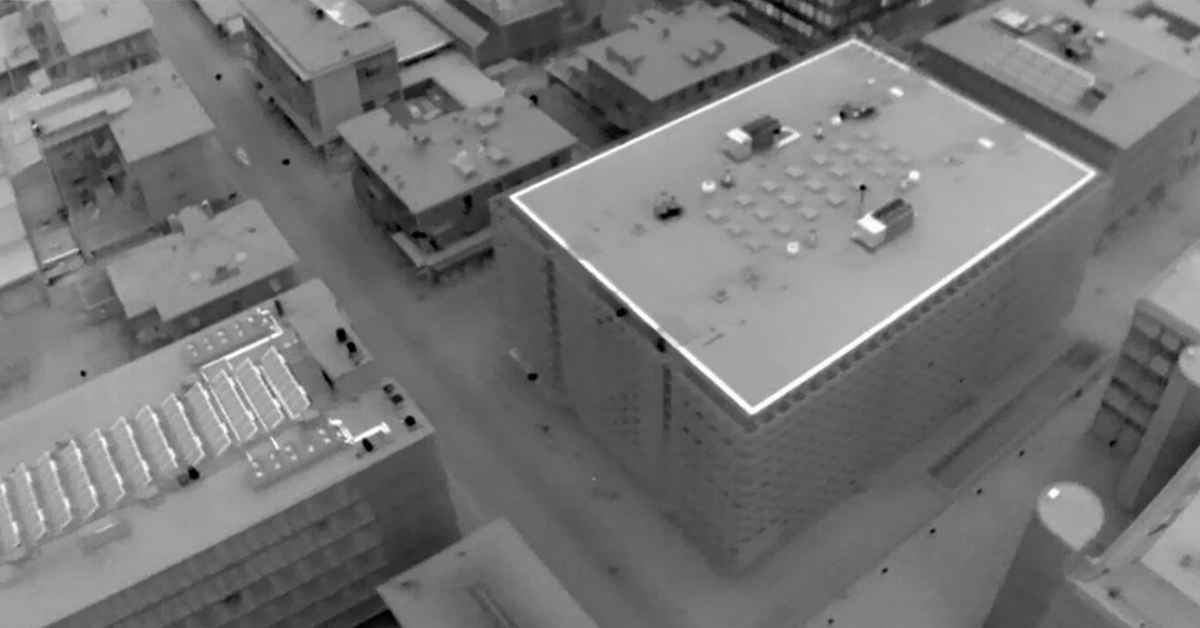
Can Thermal Imaging See Through Walls? And Other Common Questions
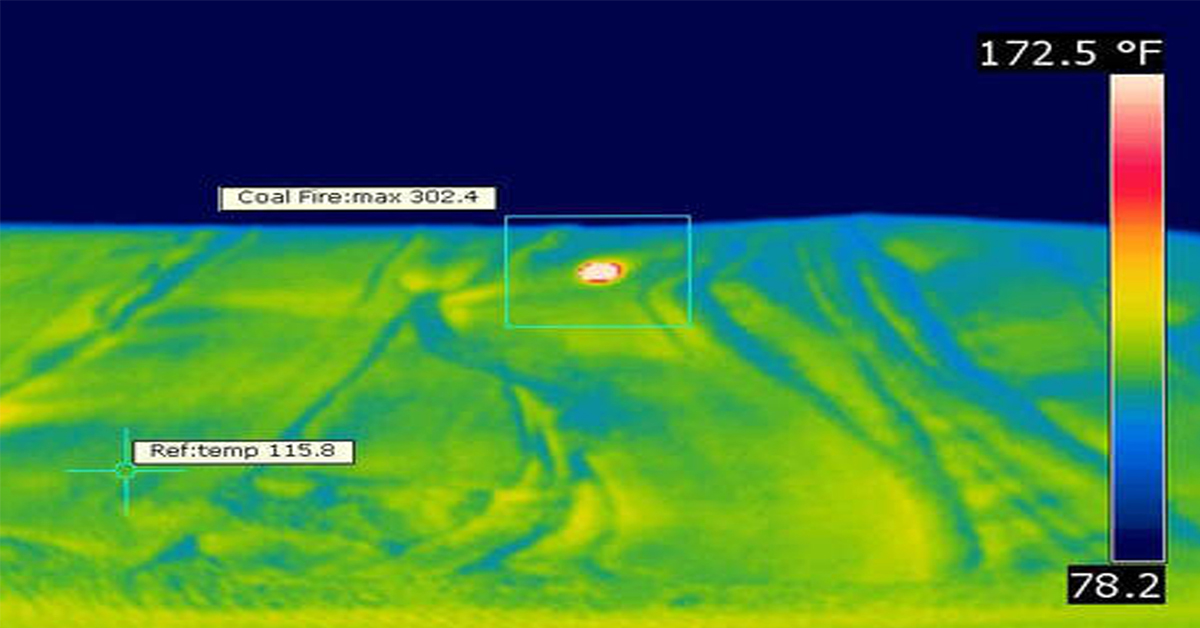
Application Spotlight: Early Fire Detection for Rapid Heat Generation
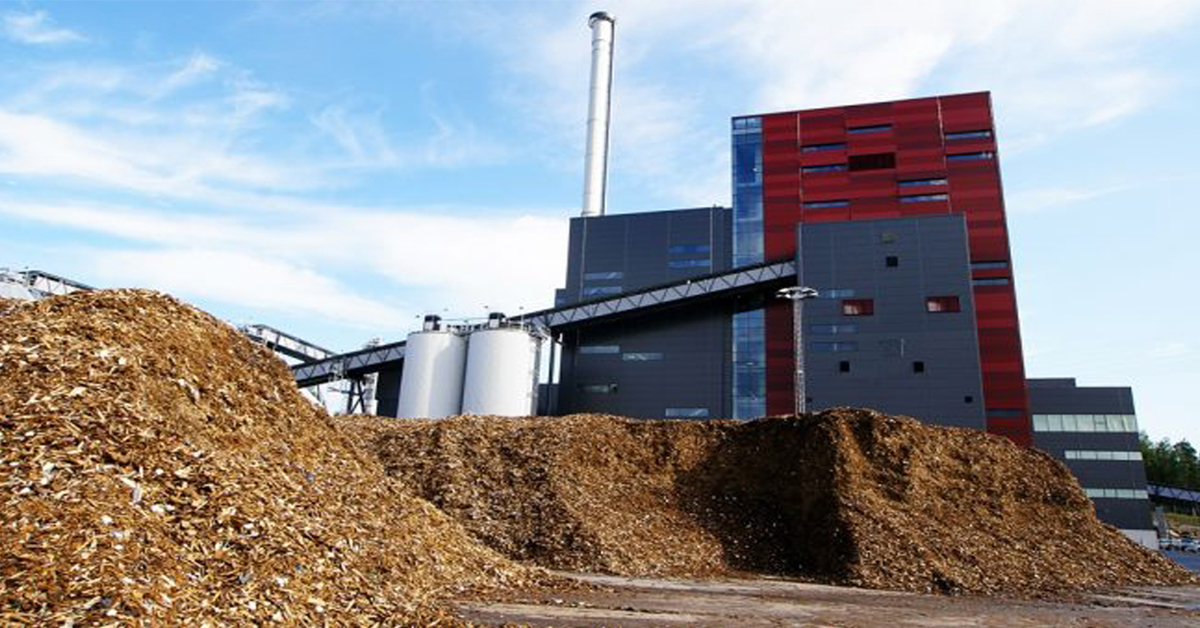
Protect Personnel and Equipment by Detecting Early Signs of Fire
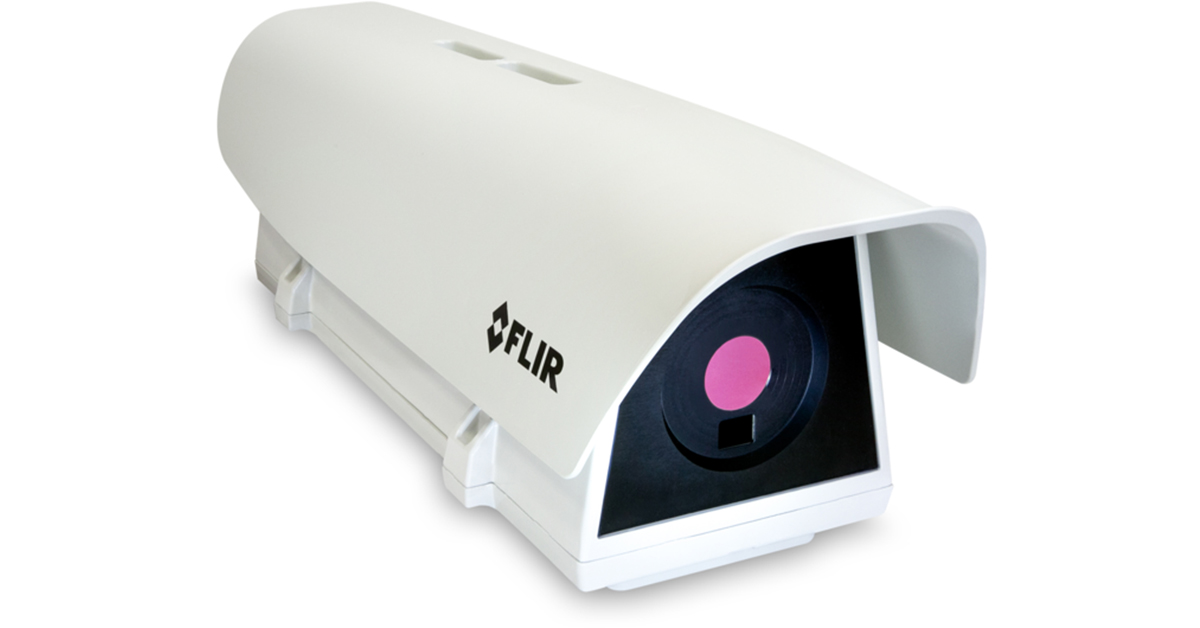
Teledyne FLIR Launches A500f/A700f Cameras for Fire Detection and Condition Monitoring
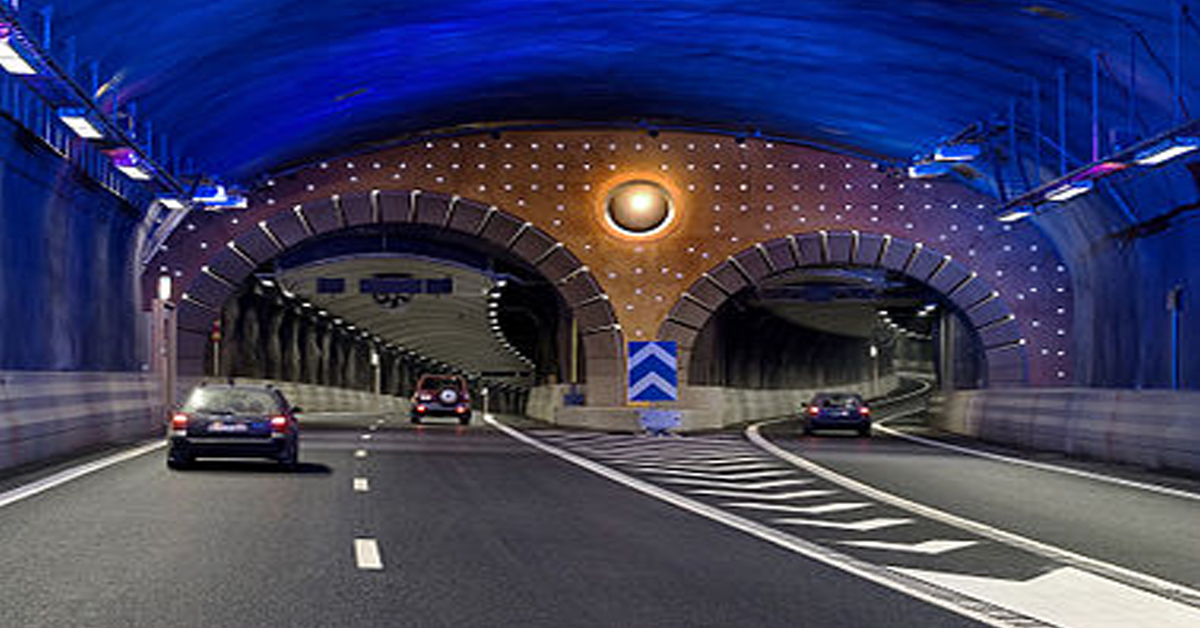
Thermal Imaging Cameras Help Guarantee Fire Safety in Tunnels
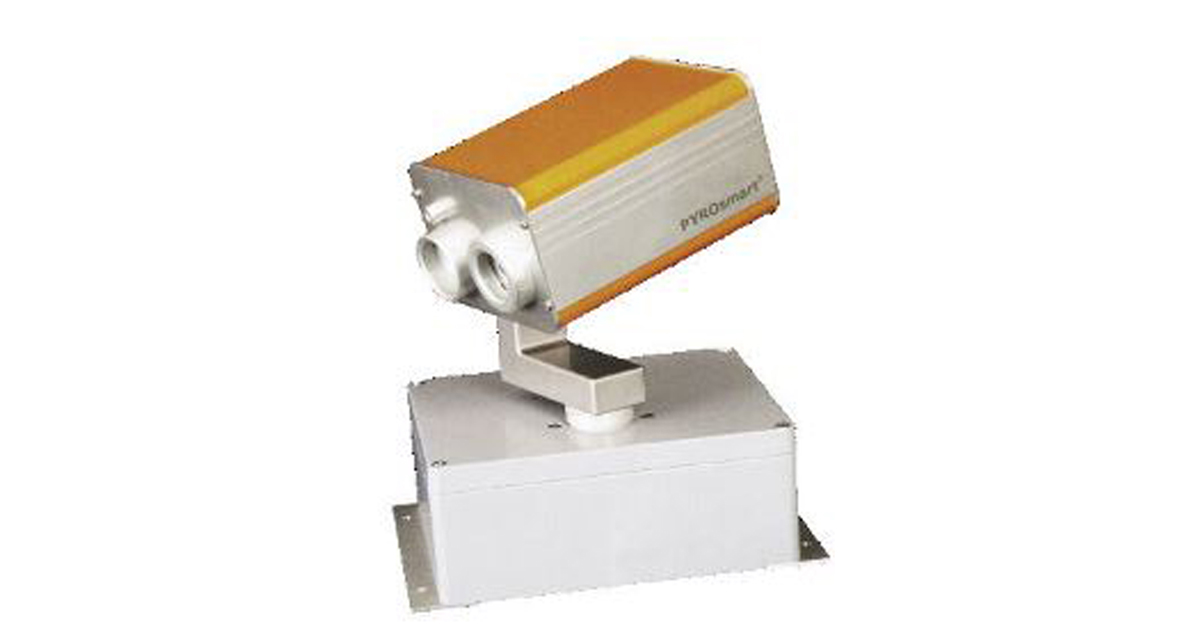
Thermal Imaging Cameras Help to Prevent Fires
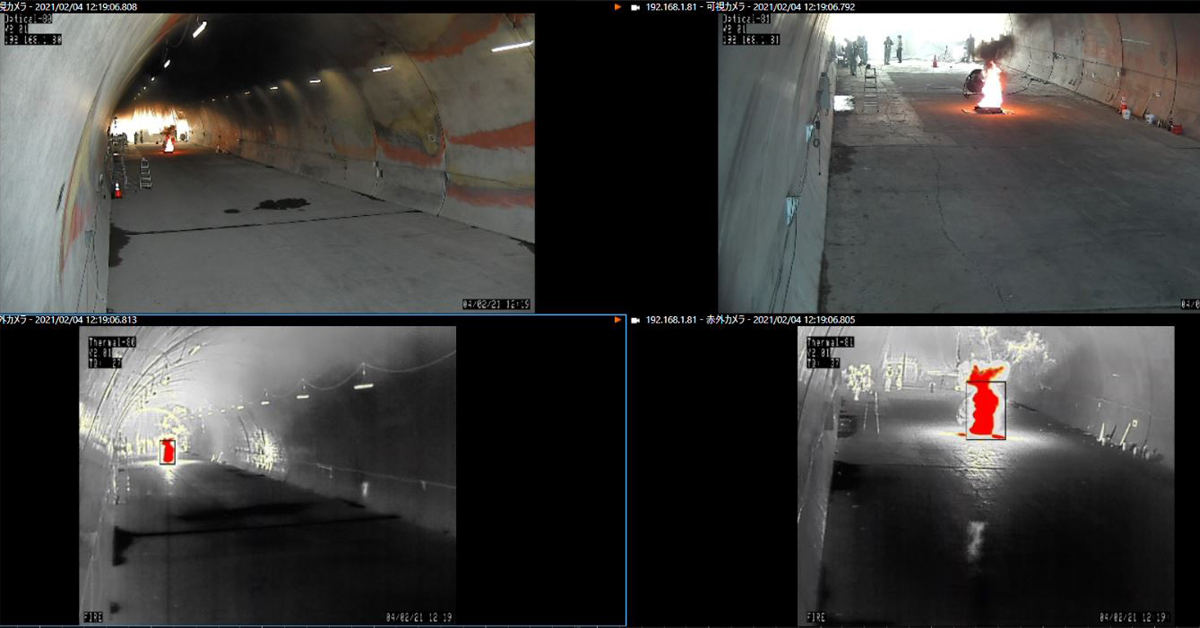
ITS-Series Dual AID Surpasses Standards for Fire Detection Systems in Japan
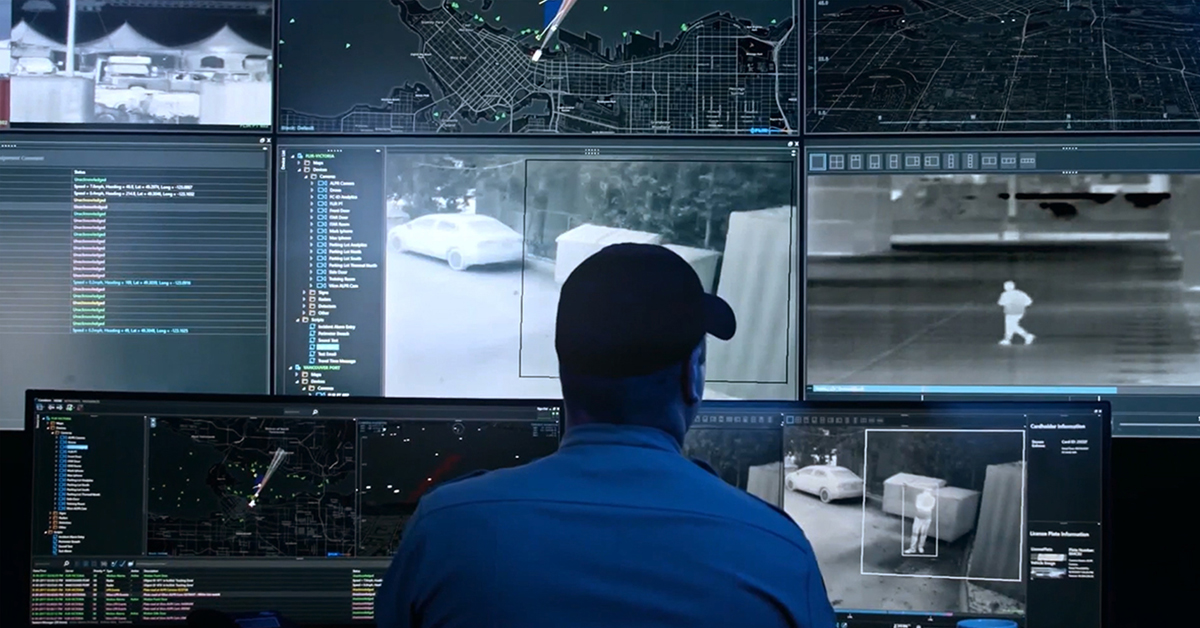
How Layering Multispectral PTZ Cameras and Radars Improve Perimeter Protection
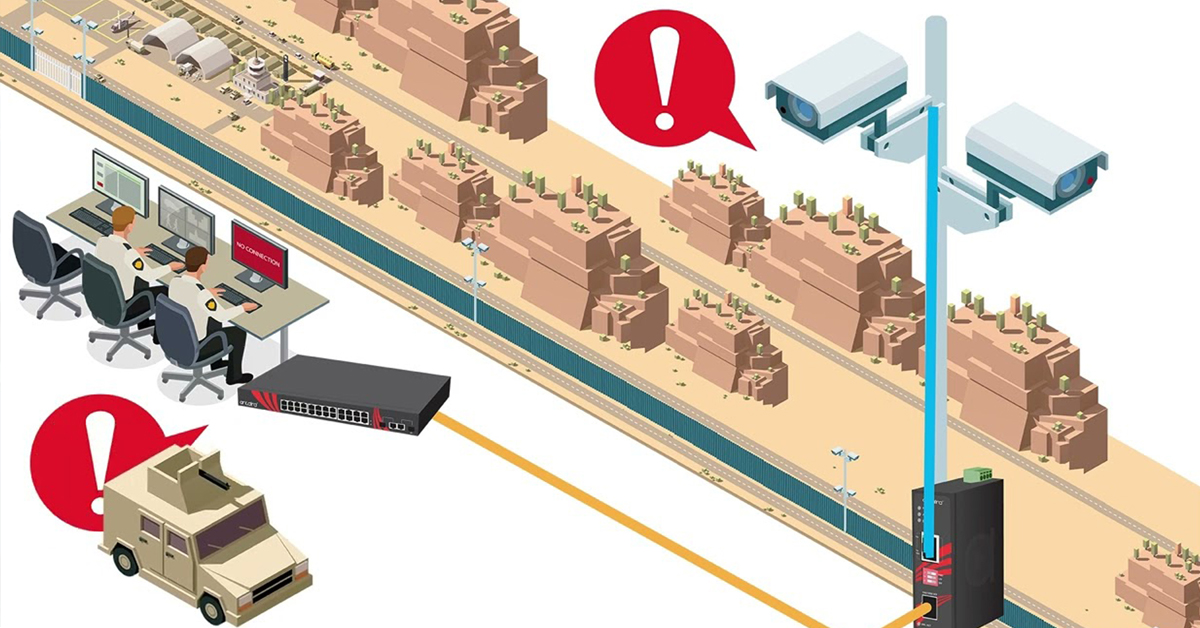
POWER REMOTE RESET TECHNOLOGY - PRRT
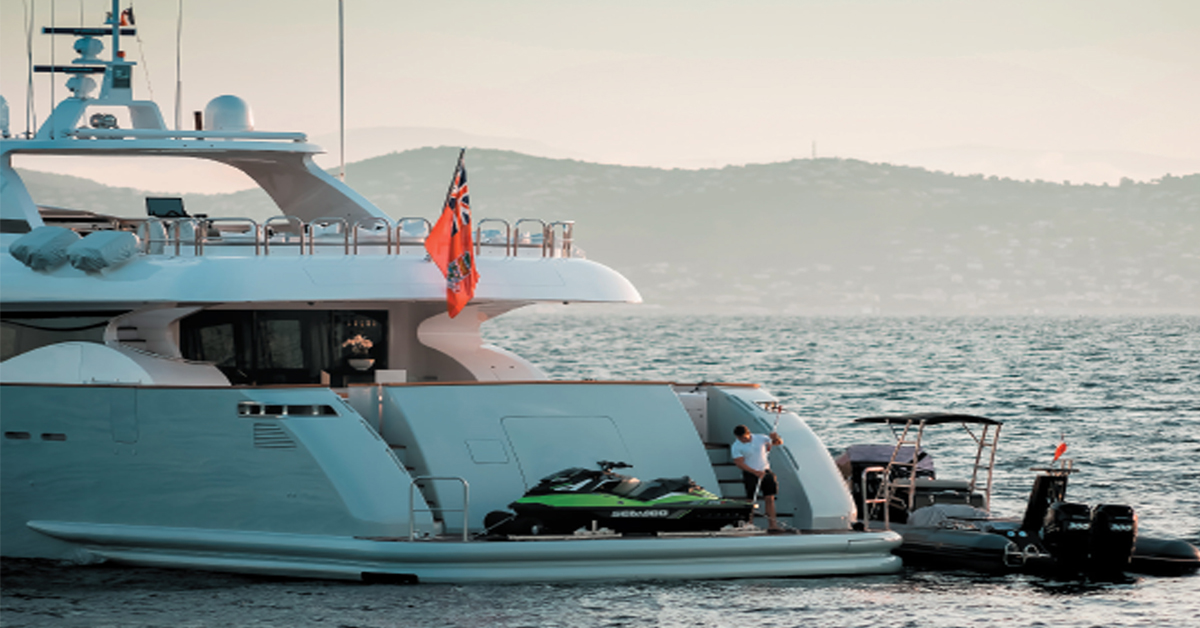
Why Yacht Owners are Adding Thermal Imaging Cameras to Minimise the Risk of Lithium-Ion Battery Fires?
.png)
Intelligent Transportation Systems
Best Practices Guide for Perimeter Security Applications
Protect Pedestrians, Bicyclists and More with Thermal Smart Sensors
White Paper: Application of Ground-Based Security Radar to Perimeter Systems
What is Thermal Leakage and How to Reduce Its Risks
Battery Inspection Using Advanced Thermography
Providing ire Protection for Lithium Battery Storage
The Power of Thermal Imaging
.png)
Why Panel PCs Are Perfect For Industrial Applications?

Teledyne DALSA
.png)
Advantages of Virtual Barrier Video Analytics for Perimeter Security Systems
.png)
.png)
NASA Takes the Teledyne FLIR Boson Thermal Camera Module Out of this World
.png)
Port Security Enhancement: DP World Yarımca's Trust in FLIR Security Solutions for Effective and Safe Port Operations
.png)
The Importance of Thermal Sensitivity (NETD) for Detection Accuracy
.png)
Bosphorus Boat Show 2025: The Meeting Point of the Maritime World
Application Spotlight: Critical Asset Monitoring for Thermal Conditions
.png)
Thermal Imaging for Marine Firefighting
Imaging in Mobile Mapping
.png)
Using Thermal Imaging for Oil Spill Detection
Five Reasons Maritime First Responders Need Thermal Imaging
Case Study: Tackling Compressed Air Leaks in Automotive Parts Manufacturing with Acoustic Imaging
Thermal Night Vision as a Force Multiplier
.png)
Line Scan Contact Image Sensor - AxCIS
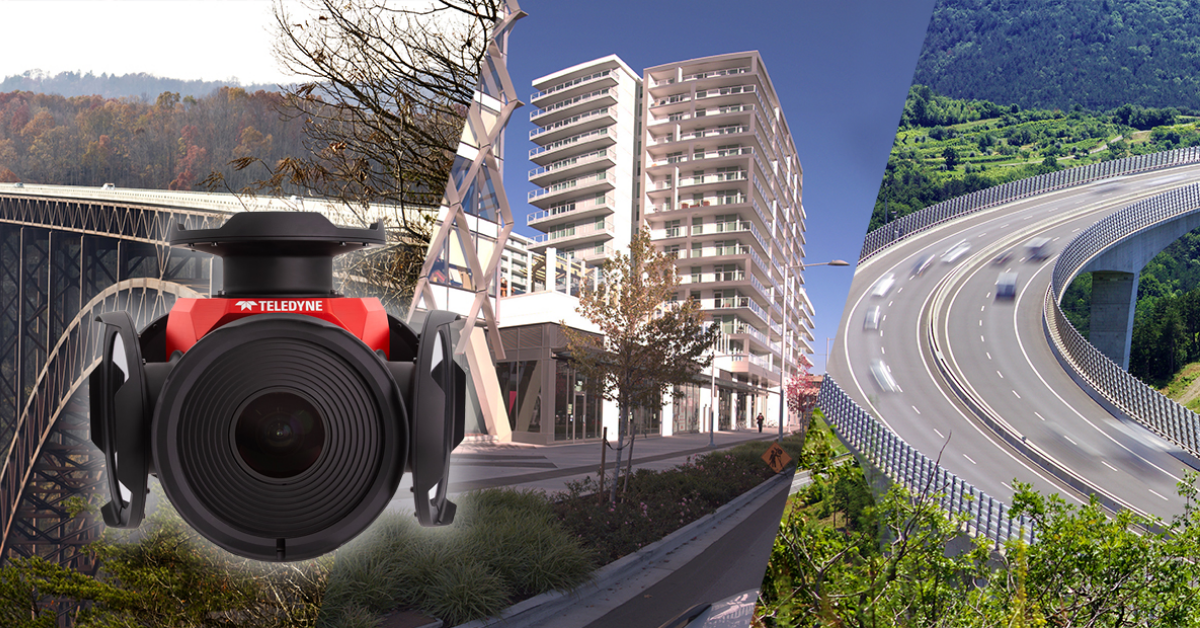
Beyond Resolution: What Really Makes a Camera System Work for Mobile Mapping
.png)
Multispectral Marine Cameras for USV Applications
.png)
Stabilizing FLIR Cameras for Smooth Viewing in Rough Waters
 (1).png)
Enhancing Maritime Safety with Video Tracking & Radar Integration
