
 EN
EN Turkish
HOW INDUSTRIAL NETWORKING CAN PROVIDE SECURITY FROM DRONES
Introduction
As unmanned aircraft systems (UAS), more commonly known as drones, become more readily available, less expensive, and more capable, the threat that they provide becomes equally more apparent. One of the many security threats that drones impose on facilities is their ability to intercept and steal data, spy on operations, and infiltrate networks.
In response to these threats, a wide variety of industries are beginning to adopt counter-drone technology. For example, federal governments, correctional facilities, airports, and critical infrastructure such as energy plants, oil and gas refineries, nuclear facilities, and ports have all implemented security systems to prevent drone intrusion. Despite their efforts, drone incursions continue to take place.
To better prevent unauthorized drones from trespassing, it is important to have comprehensive protection measures in place. One way to increase security is by implementing industrial networking. To learn how to better protect your facility from unwanted airspace, consult this guide on how industrial networking can provide security from drones.
Understanding the Threat of Drones
In order to properly protect your facility from drones, it’s important to fully understand the threat that they impose. A large aspect of what makes drones so threatening is their ability to easily bypass physical security measures. Traditional measures of security such as fences are no longer effective at preventing hackers and spies from infiltrating a facility. Now, even the most physically fortified structures are not safe from the security threat that unmanned aircraft systems inflict.
Once drones have made their way into a facility, they can wreak all sorts of havoc. Namely, they can gain valuable insight about your facility upon being equipped with a variety of advanced technology. For example, many drones are equipped with cameras that give them the ability to precisely map out the interior and exterior layout of your facility. In addition, they can scale buildings and peer into windows to spy on operations or steal information that is left in plain sight. Drones can even identify patterns in your security units by identifying who is coming into or out of your facility, putting the safety of workers at risk and making it easier for them to gain access.
Drones may also be equipped with thermal imaging technology which allows them to identify temperature variations and locate sensitive equipment on your property such as servers. Upon locating the equipment, it is easier for them to infiltrate and steal valuable devices and data.
In addition, drones can be equipped with microphones, allowing intruders to spy on private conversations, record meetings, and collect intel. Discreet, compact, agile, and equipped with various forms of advanced technology, drones essentially make the ultimate spy.
In addition to having private information regarding your company and facility compromised, drones also have the capacity to hack into servers and intercept or steal data. Drones can be equipped with nefarious payloads that hackers can use to access signals that traditional hackers located off-site would not be able to obtain. Wireless and Bluetooth signals are particularly vulnerable to the threat that drones impose.
Industrial Networking Solutions for Airspace Security
To prevent unauthorized drone use on and around your facility and mitigate the significant threats that accompany such breaches, it is highly beneficial to implement monitoring stations equipped with industrial networking solutions. Fixed site monitoring stations can provide much needed protection against UAS threats when placed around the perimeter of a facility. Such stations are able to detect, identify, track, and ultimately mitigate the threats caused by drones. Implementing stations that have passive detection as well as active mitigation capabilities will be highly beneficial in preventing malicious drone activity. In order to successfully establish an effective protective perimeter around your facility, however, the monitoring stations need to be connected to one another so that they can communicate and share pertinent data.
Fiber Optic Cabling
Another way industrial networking can provide security from drones is through the use of fiber optic cables. Fiber optic cables should be implemented to connect the various devices that are implemented in each monitoring station to one another so that important data can be shared. Fiber optic communications are ideal for security applications as they are widely considered to be one of the most secure means of communication.
Due to its construction, intercepting the transmission signaling is extremely challenging, which will help protect critical information. Fiber optic cabling is also highly resistant to electromagnetic interference as well as radio-frequency interference from other equipment, which helps prevent data loss and ensure consistent operation. The ability of fiber-optic cabling to transmit data at extremely high speeds across substantial distances is also beneficial as it will ensure that critical threats are addressed as quickly as possible.
Fiber Switches
In addition to connecting, each monitoring station to one another using fiber optic cabling, the devices in the monitoring stations must also be connected to the network. Doing so will ensure that personnel can remotely monitor, access, and control the equipment deployed in the monitoring stations from a central location as needed.
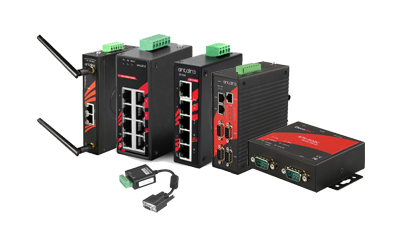
To accomplish this task, high-density industrial gigabit Ethernet switches with fiber technology are highly advantageous. These rugged switches will serve as a linking point between a facility’s infrastructure backbone and the various devices in the network. Because they are interconnected to the core or main network switch through fiber optics, they are able to facilitate extremely high data processing speeds and can communicate pertinent information in a timely manner.
The durability of these switches is another factor that makes them such an ideal option for application in monitoring stations. Because monitoring stations are exposed to the elements, the devices they are equipped with can be subjected to a wide range of temperatures and weather conditions. As such, a rugged Ethernet switch, such as a high-density industrial Ethernet switch, that is designed to withstand harsh operating conditions is imperative.
Blog Posts
Thermal Camera Selection
How Far Can I See?
How Should Human Temperature Be Measured?
What is Wide Dynamic Range?
MYNOISE AUDIO MIXER REVIEW

WHAT IS A WIRELESS DISTRIBUTION SYSTEM?

POE VS. POE+ VS. POE++: CHOOSING THE RIGHT INDUSTRIAL ETHERNET SWITCH FOR YOU
INDUSTRY-LEADING INDUSTRIAL ETHERNET SWITCHES
UNDERSTANDING WHAT THE INDUSTRIAL INTERNET OF THINGS IS
THE DIFFERENCE BETWEEN A HUB, SWITCH, & ROUTER
5 Benefits of Thermal Imaging Cameras
DIFFERENCE BETWEEN INDUSTRIAL ETHERNET AND REGULAR ETHERNET

INDUSTRIAL NETWORKING EQUIPMENT USED FOR AUTONOMOUS VEHICLES

CYBERSECURITY: PROTECTING INDUSTRIAL CONTROL SYSTEMS
HOW INDUSTRIAL NETWORKING CAN PROVIDE SECURITY FROM DRONES
.webp)
Thermal Cameras Reveal How to Keep Your Home Cool During a Heat Wave
FLıR ONE PRO
.png)
Unmatched Maritime Awareness with Cooled Thermal Imaging
.png)
What Is the Right Handheld Thermal Camera for You?
.png)
Camera Resolution and Range
.png)
Special Applications for Marine Cameras
.png)
What’s The Difference between Thermal Imaging and Night Vision?
.png)
Can Thermal Imaging See Through Fog and Rain?
Which Cx-Series Camera Is Right for You?
.png)
What is MSX®?
Five Reasons Maritime First Responders Need Thermal Imaging
.png)
3 Distinguishing Features of Superior Thermal Cameras
.png)
Determine Which Visible and Thermal Security Cameras You Need
Bullet vs. PTZ vs. Dome: Which Security Camera Is Right for You?
Interfaces for Machine Vision
Machine Vision Sensor Review
.png)
Teledyne FLIR, the Industry Leader, Launches Boson +, a Long-Wave Infrared Thermal Imager Module with an Accuracy of Less Than 20 mK
.png)
Whitepaper: IP-Based Security Convergence
.png)
3 Technologies Transforming Safe Cities into Smart Cities
.png)
Insights from the Field: Ensuring Workplace Safety Using Thermal Camera Screening for Entry Control
Thermal Night Vision as a Force Multiplier
Can Thermal Imaging See Through Walls? And Other Common Questions
Application Spotlight: Early Fire Detection for Rapid Heat Generation
Protect Personnel and Equipment by Detecting Early Signs of Fire
Teledyne FLIR Launches A500f/A700f Cameras for Fire Detection and Condition Monitoring
Thermal Imaging Cameras Help Guarantee Fire Safety in Tunnels
Thermal Imaging Cameras Help to Prevent Fires
ITS-Series Dual AID Surpasses Standards for Fire Detection Systems in Japan
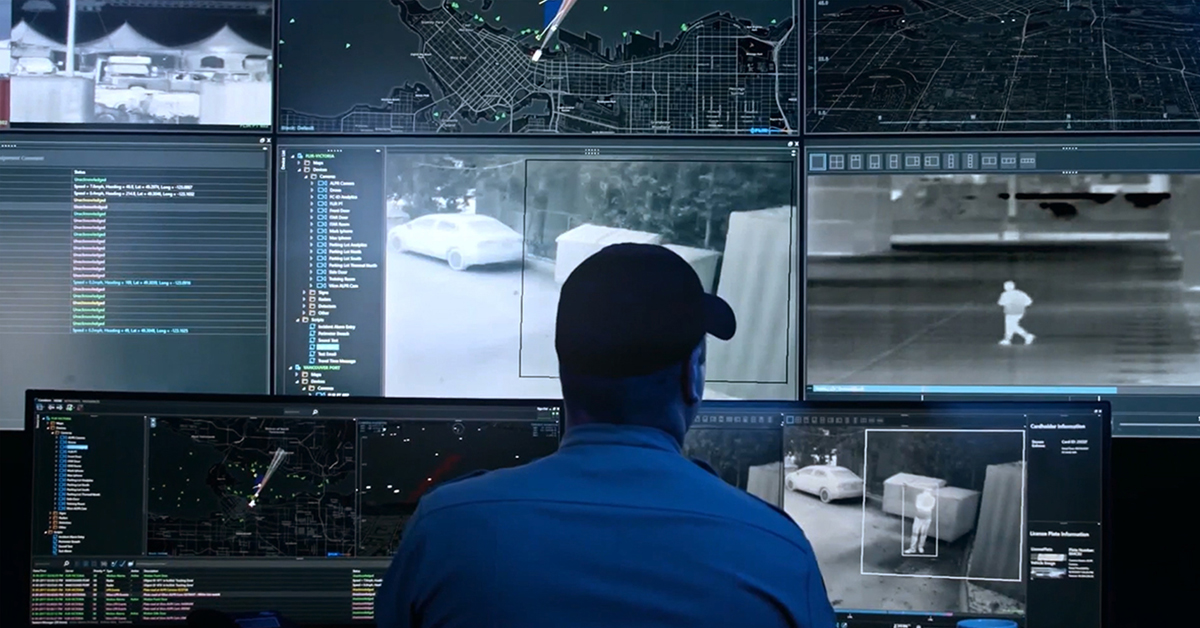
How Layering Multispectral PTZ Cameras and Radars Improve Perimeter Protection
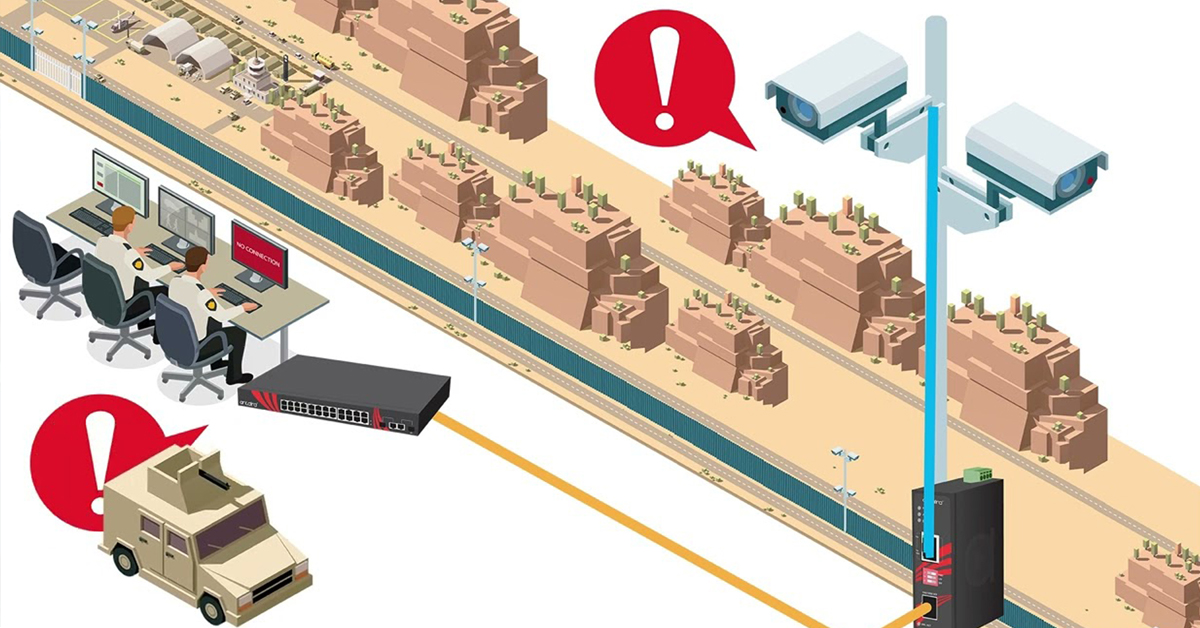
POWER REMOTE RESET TECHNOLOGY - PRRT

Why Yacht Owners are Adding Thermal Imaging Cameras to Minimise the Risk of Lithium-Ion Battery Fires?
.png)
Intelligent Transportation Systems
Best Practices Guide for Perimeter Security Applications

Protect Pedestrians, Bicyclists and More with Thermal Smart Sensors
White Paper: Application of Ground-Based Security Radar to Perimeter Systems
What is Thermal Leakage and How to Reduce Its Risks
Battery Inspection Using Advanced Thermography
Providing ire Protection for Lithium Battery Storage
The Power of Thermal Imaging
.png)
Why Panel PCs Are Perfect For Industrial Applications?

Teledyne DALSA
.png)
Advantages of Virtual Barrier Video Analytics for Perimeter Security Systems
.png)
.png)
NASA Takes the Teledyne FLIR Boson Thermal Camera Module Out of this World
.png)
Port Security Enhancement: DP World Yarımca's Trust in FLIR Security Solutions for Effective and Safe Port Operations
.png)
The Importance of Thermal Sensitivity (NETD) for Detection Accuracy
.png)
Bosphorus Boat Show 2025: The Meeting Point of the Maritime World
Application Spotlight: Critical Asset Monitoring for Thermal Conditions
.png)
Thermal Imaging for Marine Firefighting
Imaging in Mobile Mapping
.png)
Using Thermal Imaging for Oil Spill Detection
Five Reasons Maritime First Responders Need Thermal Imaging
Case Study: Tackling Compressed Air Leaks in Automotive Parts Manufacturing with Acoustic Imaging

Thermal Night Vision as a Force Multiplier
.png)
Line Scan Contact Image Sensor - AxCIS
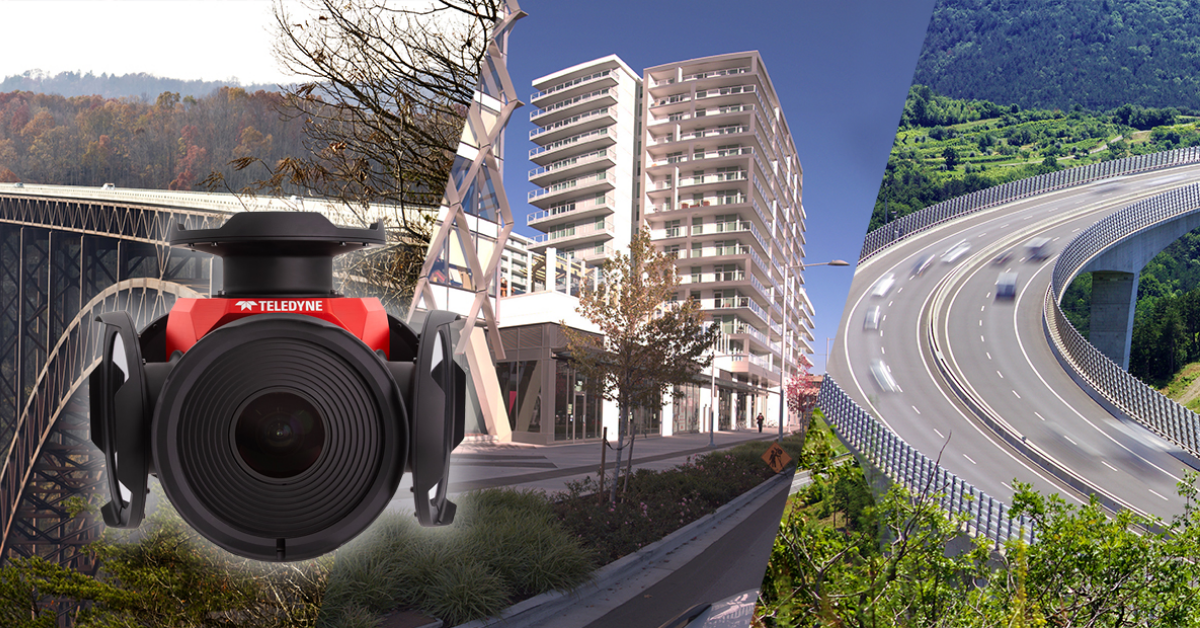
Beyond Resolution: What Really Makes a Camera System Work for Mobile Mapping
.png)
Multispectral Marine Cameras for USV Applications
.png)
Stabilizing FLIR Cameras for Smooth Viewing in Rough Waters
 (1).png)
Enhancing Maritime Safety with Video Tracking & Radar Integration
