
 EN
EN Turkish
Protect Personnel and Equipment by Detecting Early Signs of Fire
The storage of some material at waste sites, warehouses, fuel piles, and similar locations invites the risk of spontaneous combustion, either because of rising pressure or from unseen reactions within the stored materials. For example, at recycling facilities that organize materials into "fluff" piles (combinations of cloth, plastic, metal, and rubber—all potentially saturated with oils), the right mix of fluff, chemicals, and environmental conditions can spark quick-spreading fires. Preventing such fires is not just a matter of personnel and environmental safety: it's also one of economics. But most fire systems are designed to contain a fire once it starts—which isn’t always the most cost-effective solution. A system that allows companies to avoid fires or stop them in their tracks can save lives, save money, and prevent downtime.
Spontaneous combustion can be caused by a rapid increase in heat within flammable materials. A fixed-mount thermal imaging camera trained on the flammable materials can watch for temperature increases, catching the rising heat before the target combusts.
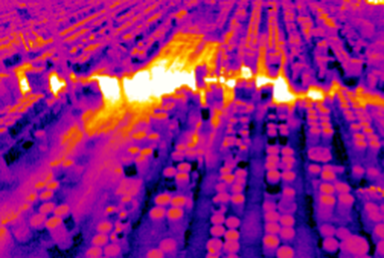
Warehouse full of chemical drums shows signs of heat.
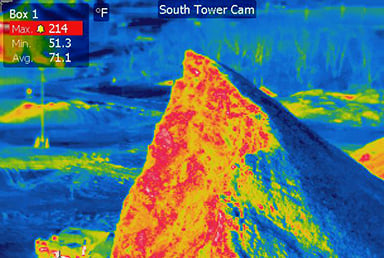
Biofuel pile shows as seen in thermal.
Because these cameras rely on infrared instead of visible light, this kind of system can provide fire prevention coverage day or night, regardless of the lighting conditions. Many thermal camera systems provide rapid temperature data updates that can trigger alarms when the heat spikes dangerously, allowing companies to safeguard materials or turn off equipment that could cause or spread a fire.
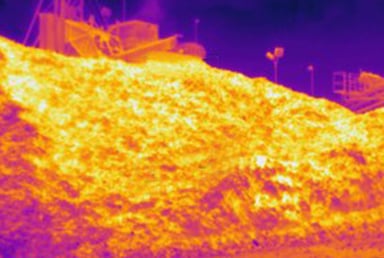
Large pile of woodchips showing signs of heat.
Designed for early fire detection, among other condition monitoring solutions, the FLIR A50 Compact Smart Sensor Thermal Camera offer built-in, on-camera analytics and alarm capabilities as well as internal software that can isolate regions of interest and report temperature ranges from those areas.
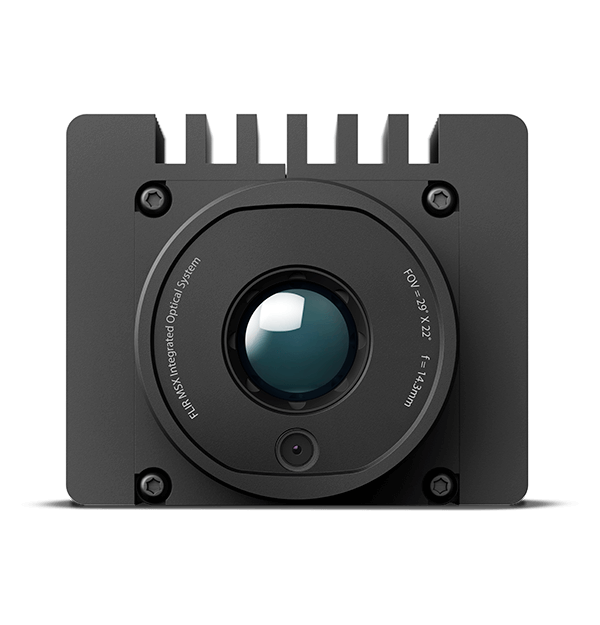
The Smart Sensor configuration means the A50 can perform the basic analysis needed to report temperature spikes, and thanks to ONVIF S compatibility, offers simultaneous VMS video and alarm integration. This compact camera can fit anywhere at just 107 x 67 x 57 mm (4.21 x 2.64 x 2.24 in) and has a rugged IP66 exterior to ensure it's tough enough for harsh indoor or outdoor environments.
Blog Posts
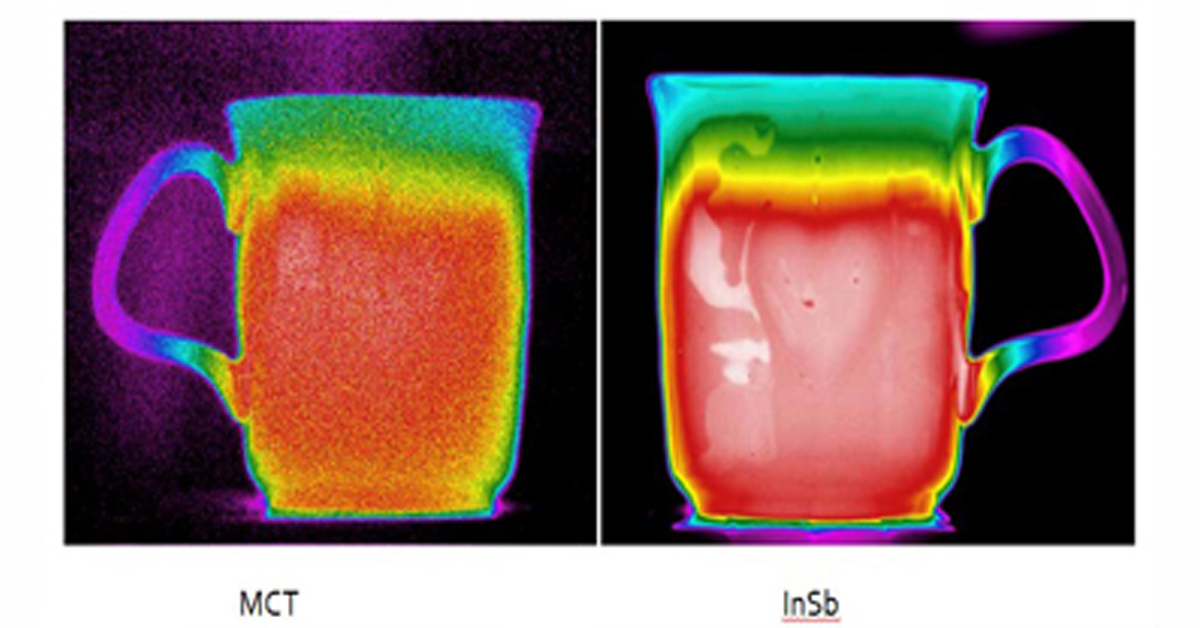
Thermal Camera Selection
How Far Can I See?
How Should Human Temperature Be Measured?
What is Wide Dynamic Range?
MYNOISE AUDIO MIXER REVIEW

WHAT IS A WIRELESS DISTRIBUTION SYSTEM?

POE VS. POE+ VS. POE++: CHOOSING THE RIGHT INDUSTRIAL ETHERNET SWITCH FOR YOU
INDUSTRY-LEADING INDUSTRIAL ETHERNET SWITCHES

UNDERSTANDING WHAT THE INDUSTRIAL INTERNET OF THINGS IS
THE DIFFERENCE BETWEEN A HUB, SWITCH, & ROUTER
5 Benefits of Thermal Imaging Cameras
DIFFERENCE BETWEEN INDUSTRIAL ETHERNET AND REGULAR ETHERNET

INDUSTRIAL NETWORKING EQUIPMENT USED FOR AUTONOMOUS VEHICLES

CYBERSECURITY: PROTECTING INDUSTRIAL CONTROL SYSTEMS
HOW INDUSTRIAL NETWORKING CAN PROVIDE SECURITY FROM DRONES
.webp)
Thermal Cameras Reveal How to Keep Your Home Cool During a Heat Wave
FLıR ONE PRO
.png)
Unmatched Maritime Awareness with Cooled Thermal Imaging
.png)
What Is the Right Handheld Thermal Camera for You?
.png)
Camera Resolution and Range
.png)
Special Applications for Marine Cameras
.png)
What’s The Difference between Thermal Imaging and Night Vision?
.png)
Can Thermal Imaging See Through Fog and Rain?
Which Cx-Series Camera Is Right for You?
.png)
What is MSX®?
Five Reasons Maritime First Responders Need Thermal Imaging
.png)
3 Distinguishing Features of Superior Thermal Cameras
.png)
Determine Which Visible and Thermal Security Cameras You Need
Bullet vs. PTZ vs. Dome: Which Security Camera Is Right for You?
Interfaces for Machine Vision
Machine Vision Sensor Review
.png)
Teledyne FLIR, the Industry Leader, Launches Boson +, a Long-Wave Infrared Thermal Imager Module with an Accuracy of Less Than 20 mK
.png)
Whitepaper: IP-Based Security Convergence
.png)
3 Technologies Transforming Safe Cities into Smart Cities
.png)
Insights from the Field: Ensuring Workplace Safety Using Thermal Camera Screening for Entry Control
Thermal Night Vision as a Force Multiplier
Can Thermal Imaging See Through Walls? And Other Common Questions
Application Spotlight: Early Fire Detection for Rapid Heat Generation
Protect Personnel and Equipment by Detecting Early Signs of Fire
Teledyne FLIR Launches A500f/A700f Cameras for Fire Detection and Condition Monitoring
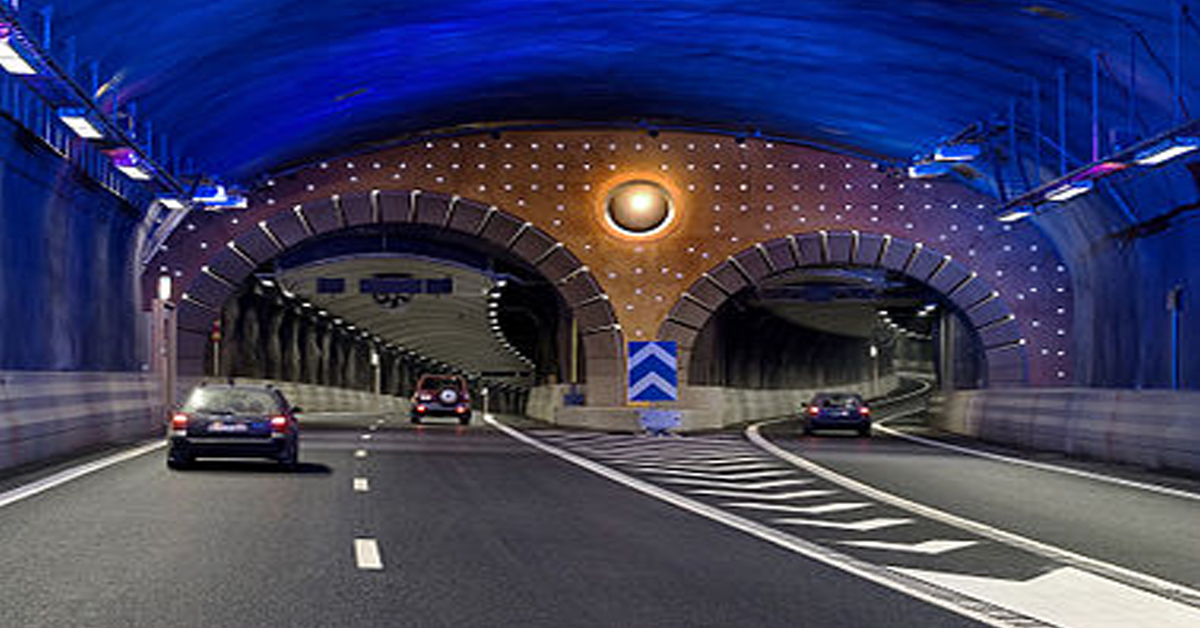
Thermal Imaging Cameras Help Guarantee Fire Safety in Tunnels
Thermal Imaging Cameras Help to Prevent Fires
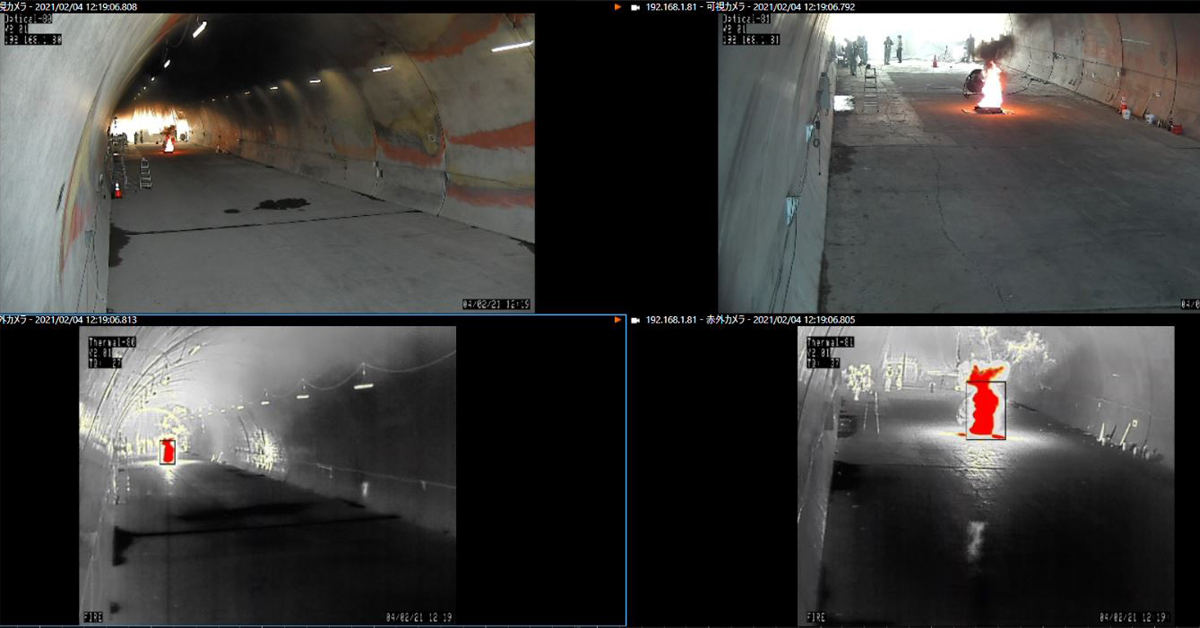
ITS-Series Dual AID Surpasses Standards for Fire Detection Systems in Japan
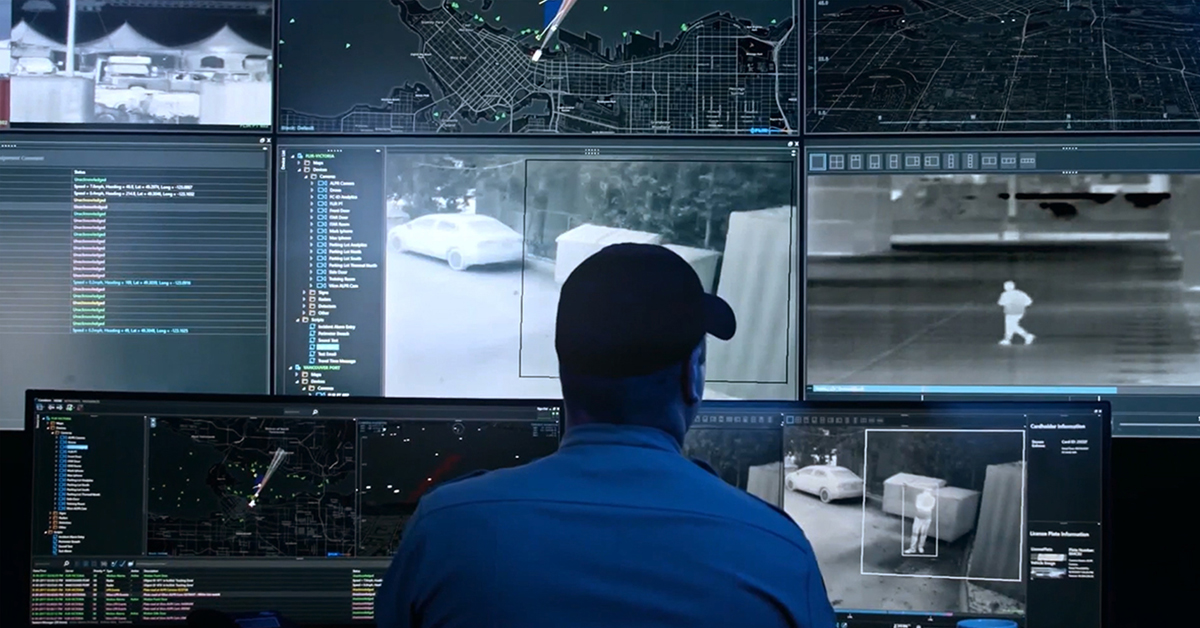
How Layering Multispectral PTZ Cameras and Radars Improve Perimeter Protection
POWER REMOTE RESET TECHNOLOGY - PRRT

Why Yacht Owners are Adding Thermal Imaging Cameras to Minimise the Risk of Lithium-Ion Battery Fires?
.png)
Intelligent Transportation Systems
Best Practices Guide for Perimeter Security Applications
Protect Pedestrians, Bicyclists and More with Thermal Smart Sensors
White Paper: Application of Ground-Based Security Radar to Perimeter Systems
What is Thermal Leakage and How to Reduce Its Risks
Battery Inspection Using Advanced Thermography
Providing ire Protection for Lithium Battery Storage
The Power of Thermal Imaging
.png)
Why Panel PCs Are Perfect For Industrial Applications?

Teledyne DALSA
.png)
Advantages of Virtual Barrier Video Analytics for Perimeter Security Systems
.png)
.png)
NASA Takes the Teledyne FLIR Boson Thermal Camera Module Out of this World
.png)
Port Security Enhancement: DP World Yarımca's Trust in FLIR Security Solutions for Effective and Safe Port Operations
.png)
The Importance of Thermal Sensitivity (NETD) for Detection Accuracy
.png)
Bosphorus Boat Show 2025: The Meeting Point of the Maritime World
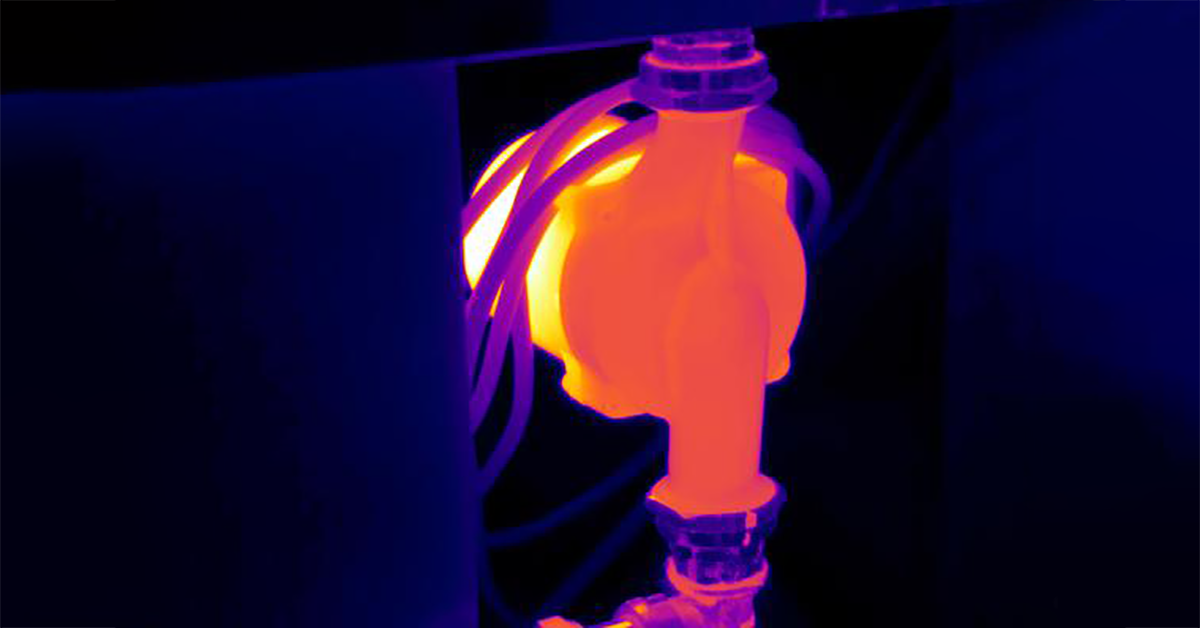
Application Spotlight: Critical Asset Monitoring for Thermal Conditions
.png)
Thermal Imaging for Marine Firefighting
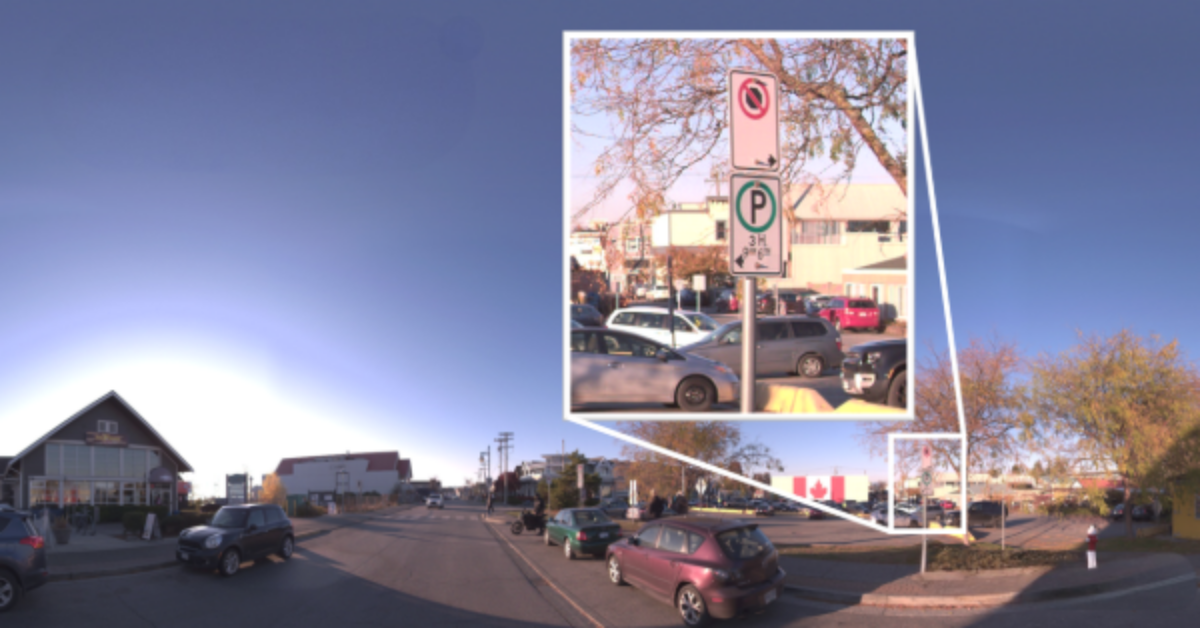
Imaging in Mobile Mapping
.png)
Using Thermal Imaging for Oil Spill Detection
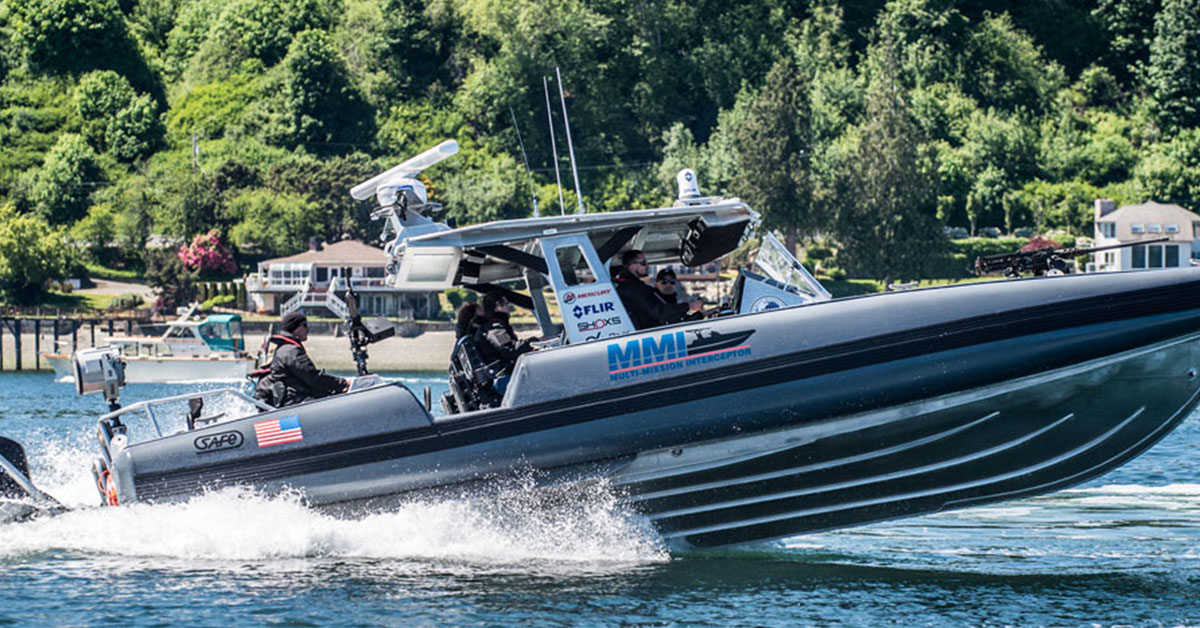
Five Reasons Maritime First Responders Need Thermal Imaging
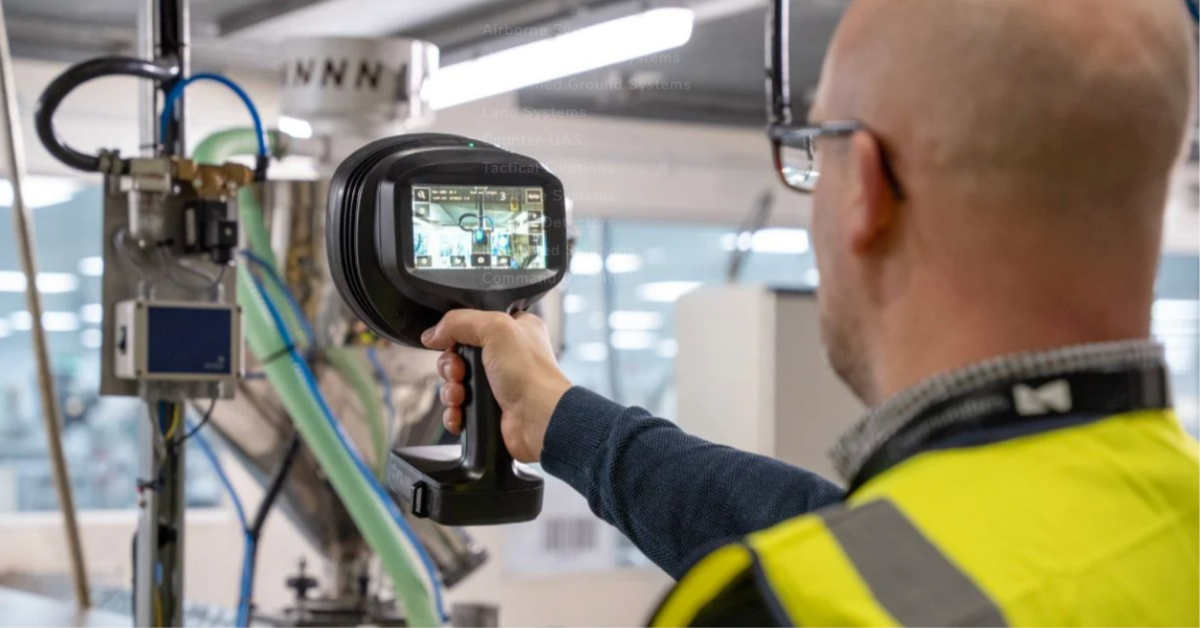
Case Study: Tackling Compressed Air Leaks in Automotive Parts Manufacturing with Acoustic Imaging
Thermal Night Vision as a Force Multiplier
.png)
Line Scan Contact Image Sensor - AxCIS
Beyond Resolution: What Really Makes a Camera System Work for Mobile Mapping
.png)
Multispectral Marine Cameras for USV Applications
.png)
Stabilizing FLIR Cameras for Smooth Viewing in Rough Waters
 (1).png)
Enhancing Maritime Safety with Video Tracking & Radar Integration
