
 EN
EN Turkish
Thermal Imaging Cameras Help Guarantee Fire Safety in Tunnels
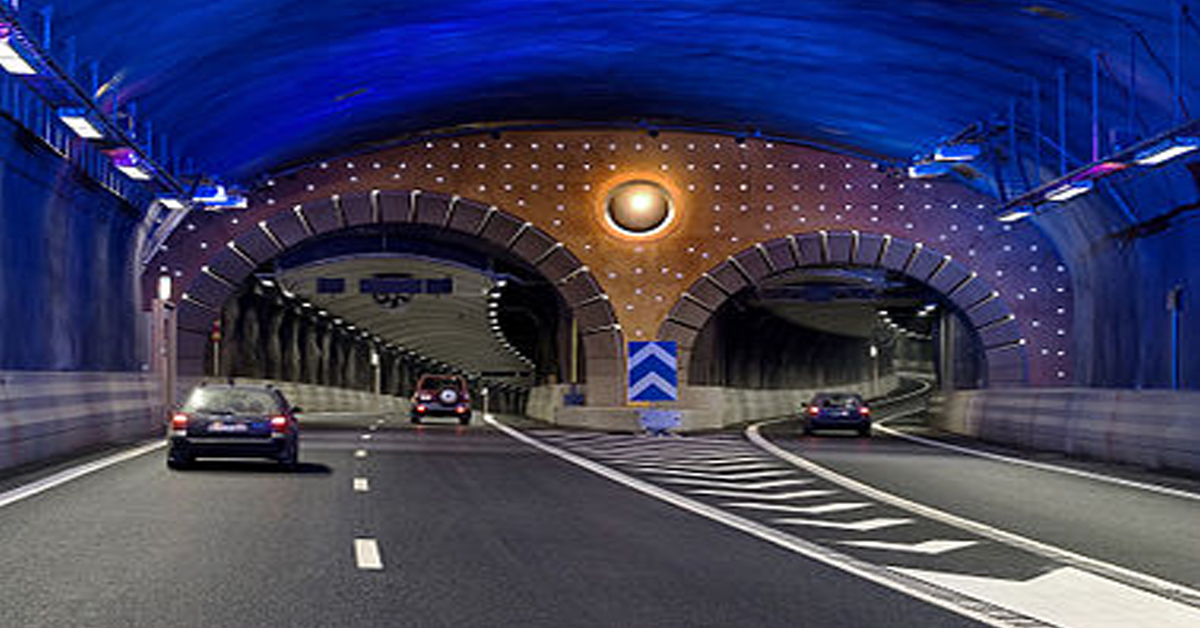
Tunnel fires can have devastating effects on people and infrastructure. The consequences of fires in tunnels can in the worst cases result in severe fatalities, material damage and disruption of important infrastructure lines. Effective fire prevention, detection and control can therefore save lives and prevent high costs. Tunnel operators and emergency response teams have always relied on intelligent technology to support them in these tasks. Thermal imaging is one of these technologies.
Although traditional CCTV cameras are still an option for tunnel monitoring, thermal imaging cameras have a number of advantages to offer. In tunnels, thermal imaging cameras are used to monitor traffic flows or detect incidents in an early stage. In other applications, like firefighting, thermal imaging cameras are a reliable addition to human vision, because they can help firefighters see through smoke or detect hot spots. Thermal imaging technology makes use of temperature information coming off the environment. It does not need any light to operate and therefore, it has some distinct advantages over visual cameras and even human vision.
- See through smoke:One of the biggest advantages of thermal imaging cameras in the field of tunnel safety is that they can effectively see through many types of smoke. This makes it the ideal technology for emergency response teams to find their way through a smoke-filled tunnel or for incident detection systems to spot incidents in time.
- Not affected by sun glare: Glare from the sun blinds conventional video cameras, effectively hiding vehicles, people, and animals. Thermal cameras ignore this glare, and only respond to the heat signatures they detect.
- Not affected by headlights: Headlights are confusing to CCTV cameras. This causes false and missed calls and makes accurate observation of highway traffic at night impossible. Thermal cameras are immune to headlight glare, so they see clearly.
- See through shadows: Video cameras can miss pedestrians, cyclists, animals, and even cars if they’re in the shadows. This is especially the case at the entry or exit of a tunnel, where it can be very dark inside because of shadows and very bright outside because of sunlight. But since thermal cameras see heat, not light, there are no shadows in a thermal world, so this will not affect visualization
-
Long-range night viewing: At night, a highway looks like an indistinct row of lights to a video camera, making meaningful data collection and incident assessment impossible. But thermal cameras see the heat signatures of vehicles clearly from miles away. They also provide clear video of the roadsides for awareness of parked vehicles or other hazards.
Blog Posts
Thermal Camera Selection
How Far Can I See?
How Should Human Temperature Be Measured?
What is Wide Dynamic Range?
MYNOISE AUDIO MIXER REVIEW

WHAT IS A WIRELESS DISTRIBUTION SYSTEM?

POE VS. POE+ VS. POE++: CHOOSING THE RIGHT INDUSTRIAL ETHERNET SWITCH FOR YOU
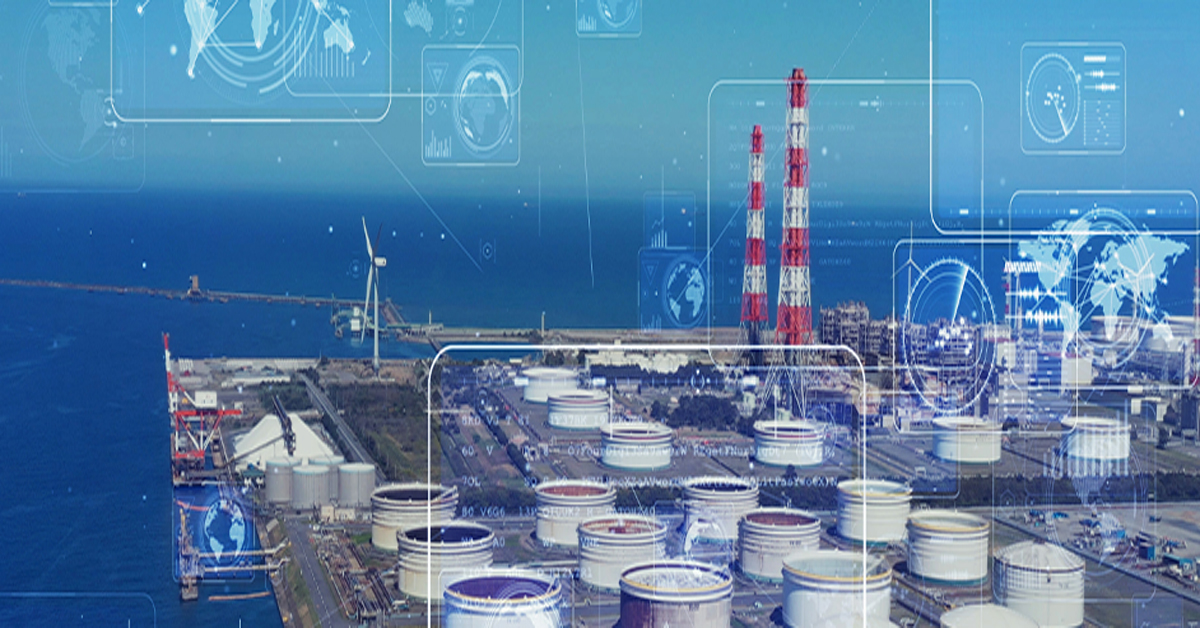
INDUSTRY-LEADING INDUSTRIAL ETHERNET SWITCHES

UNDERSTANDING WHAT THE INDUSTRIAL INTERNET OF THINGS IS
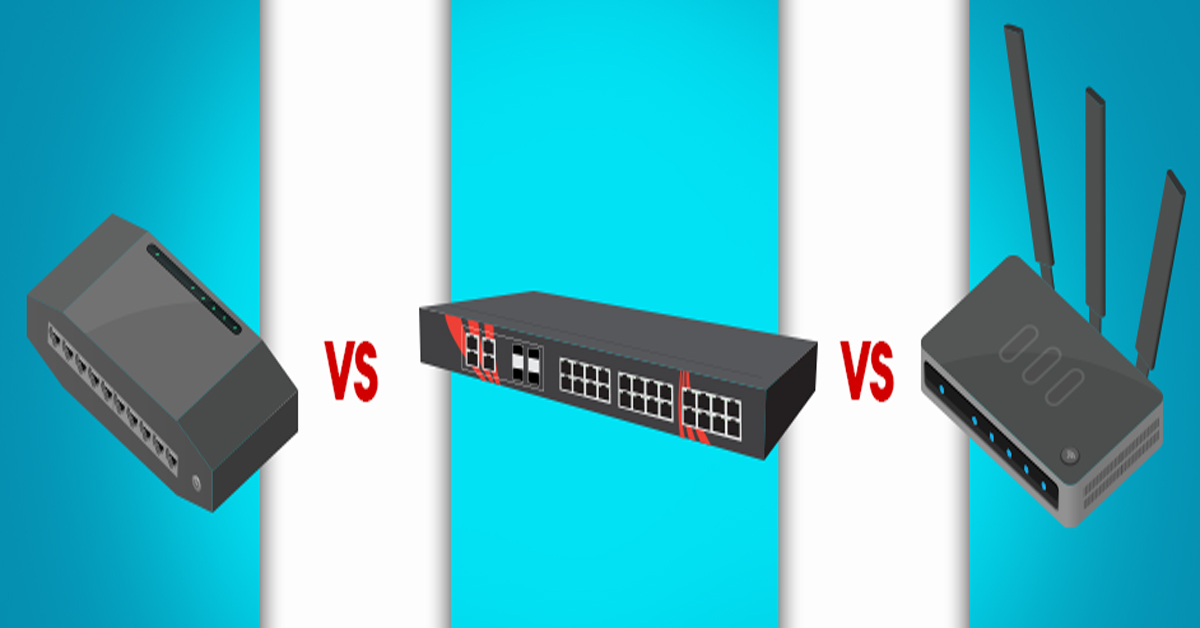
THE DIFFERENCE BETWEEN A HUB, SWITCH, & ROUTER
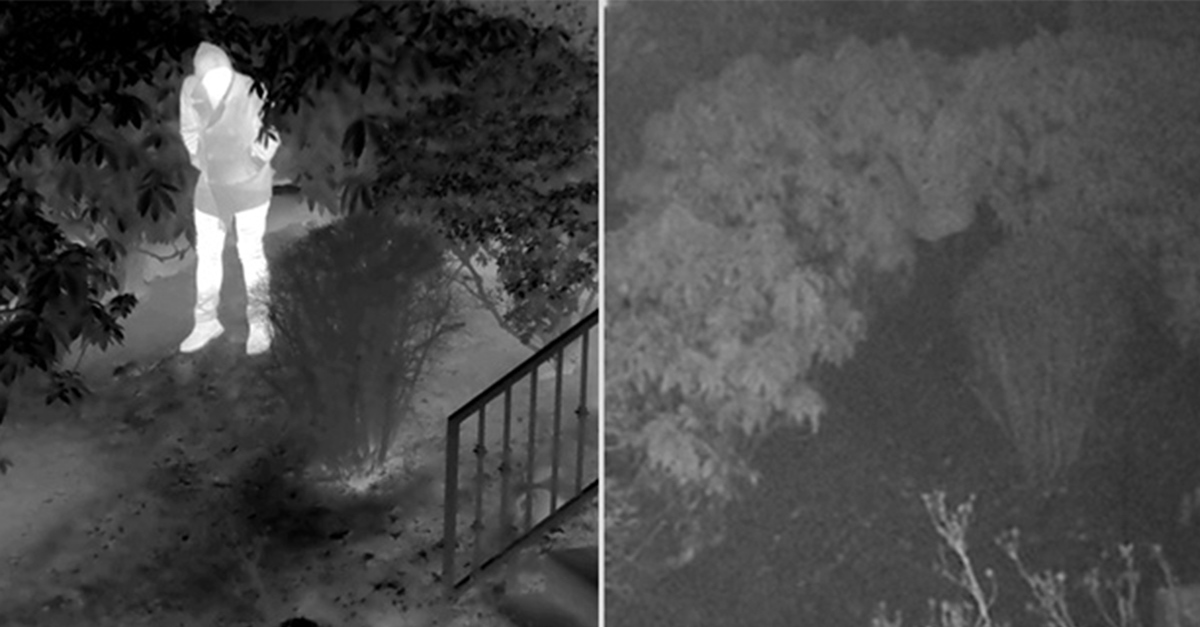
5 Benefits of Thermal Imaging Cameras
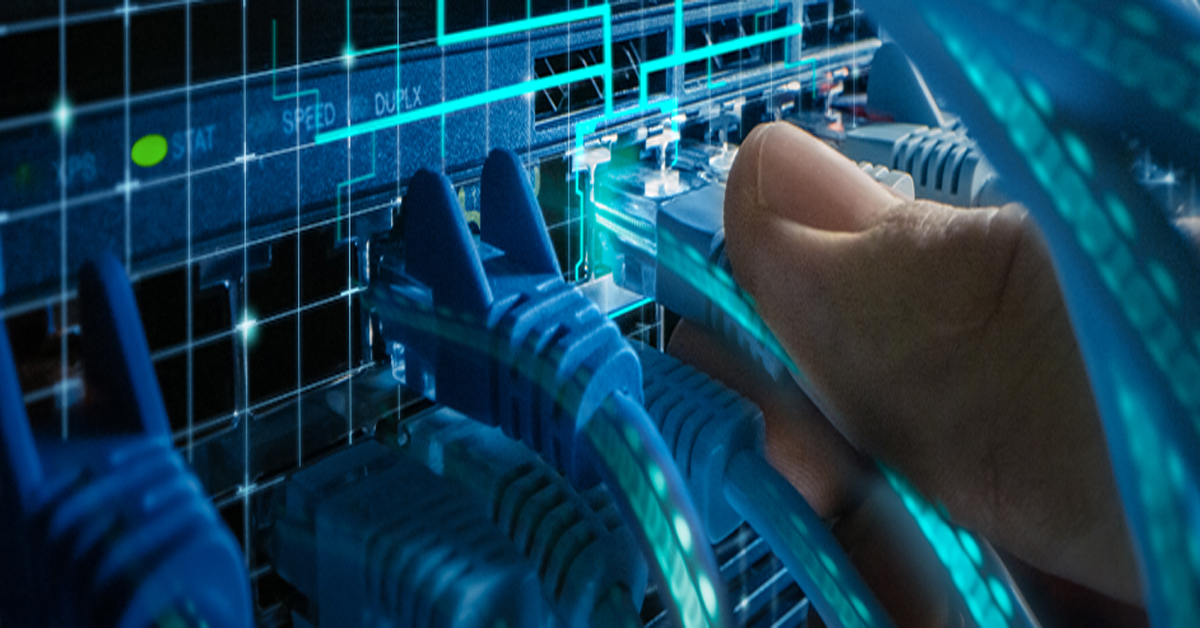
DIFFERENCE BETWEEN INDUSTRIAL ETHERNET AND REGULAR ETHERNET

INDUSTRIAL NETWORKING EQUIPMENT USED FOR AUTONOMOUS VEHICLES

CYBERSECURITY: PROTECTING INDUSTRIAL CONTROL SYSTEMS
HOW INDUSTRIAL NETWORKING CAN PROVIDE SECURITY FROM DRONES
.webp)
Thermal Cameras Reveal How to Keep Your Home Cool During a Heat Wave
FLıR ONE PRO
.png)
Unmatched Maritime Awareness with Cooled Thermal Imaging
.png)
What Is the Right Handheld Thermal Camera for You?
.png)
Camera Resolution and Range
.png)
Special Applications for Marine Cameras
.png)
What’s The Difference between Thermal Imaging and Night Vision?
.png)
Can Thermal Imaging See Through Fog and Rain?
Which Cx-Series Camera Is Right for You?
.png)
What is MSX®?
Five Reasons Maritime First Responders Need Thermal Imaging
.png)
3 Distinguishing Features of Superior Thermal Cameras
.png)
Determine Which Visible and Thermal Security Cameras You Need
Bullet vs. PTZ vs. Dome: Which Security Camera Is Right for You?
Interfaces for Machine Vision
Machine Vision Sensor Review
.png)
Teledyne FLIR, the Industry Leader, Launches Boson +, a Long-Wave Infrared Thermal Imager Module with an Accuracy of Less Than 20 mK
.png)
Whitepaper: IP-Based Security Convergence
.png)
3 Technologies Transforming Safe Cities into Smart Cities
.png)
Insights from the Field: Ensuring Workplace Safety Using Thermal Camera Screening for Entry Control
Thermal Night Vision as a Force Multiplier
Can Thermal Imaging See Through Walls? And Other Common Questions
Application Spotlight: Early Fire Detection for Rapid Heat Generation
Protect Personnel and Equipment by Detecting Early Signs of Fire
Teledyne FLIR Launches A500f/A700f Cameras for Fire Detection and Condition Monitoring
Thermal Imaging Cameras Help Guarantee Fire Safety in Tunnels
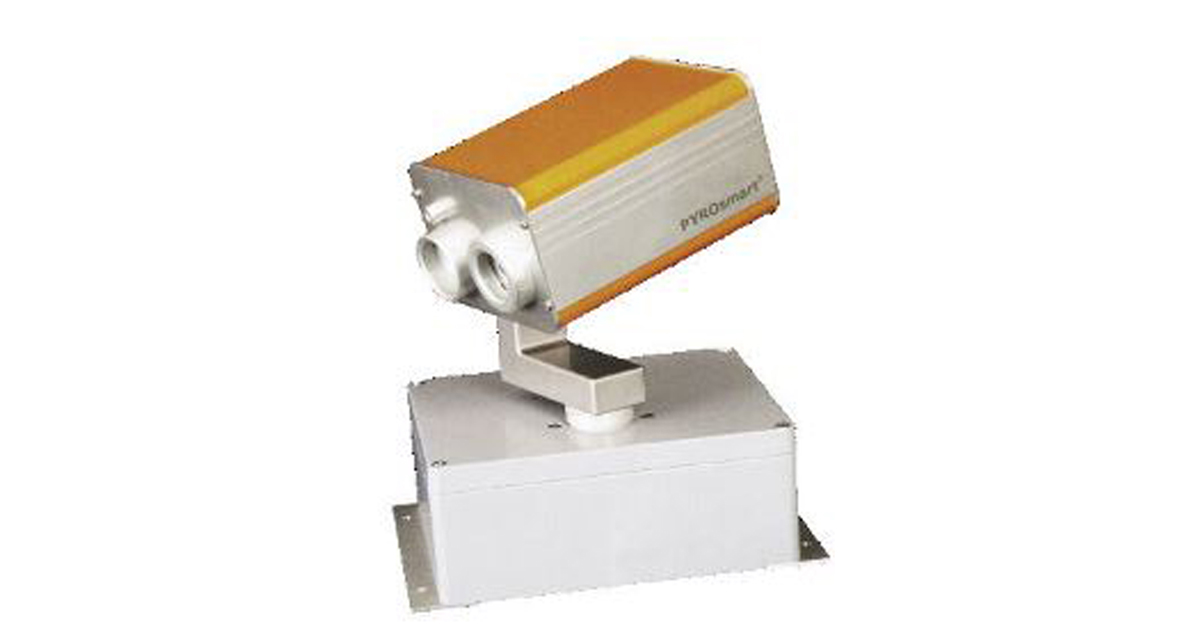
Thermal Imaging Cameras Help to Prevent Fires
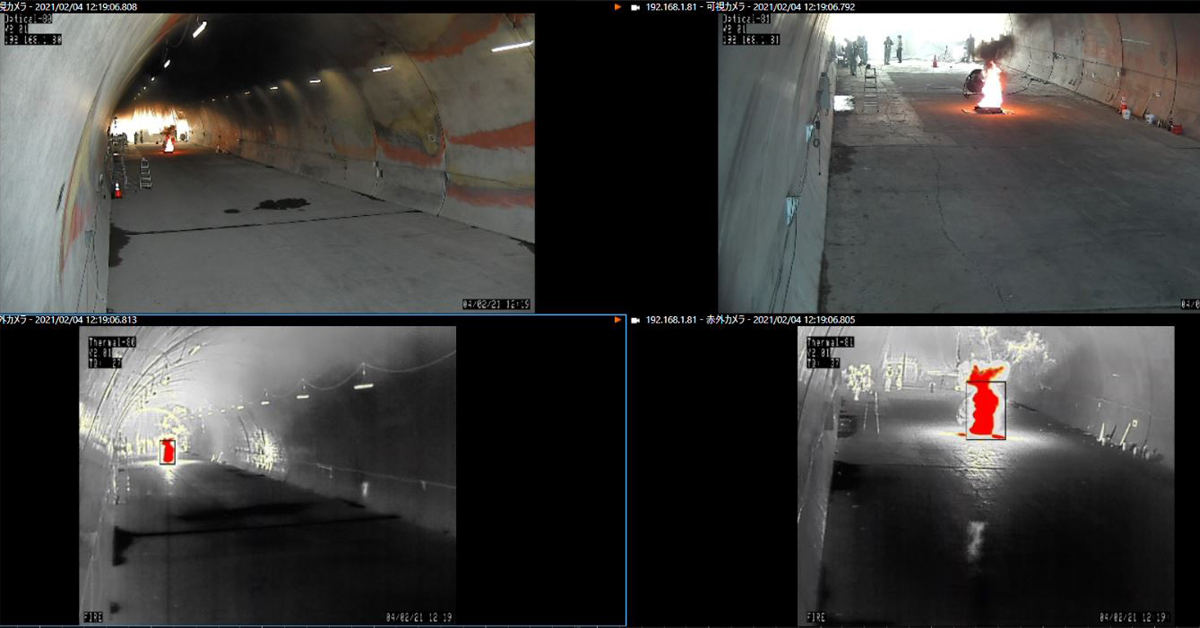
ITS-Series Dual AID Surpasses Standards for Fire Detection Systems in Japan
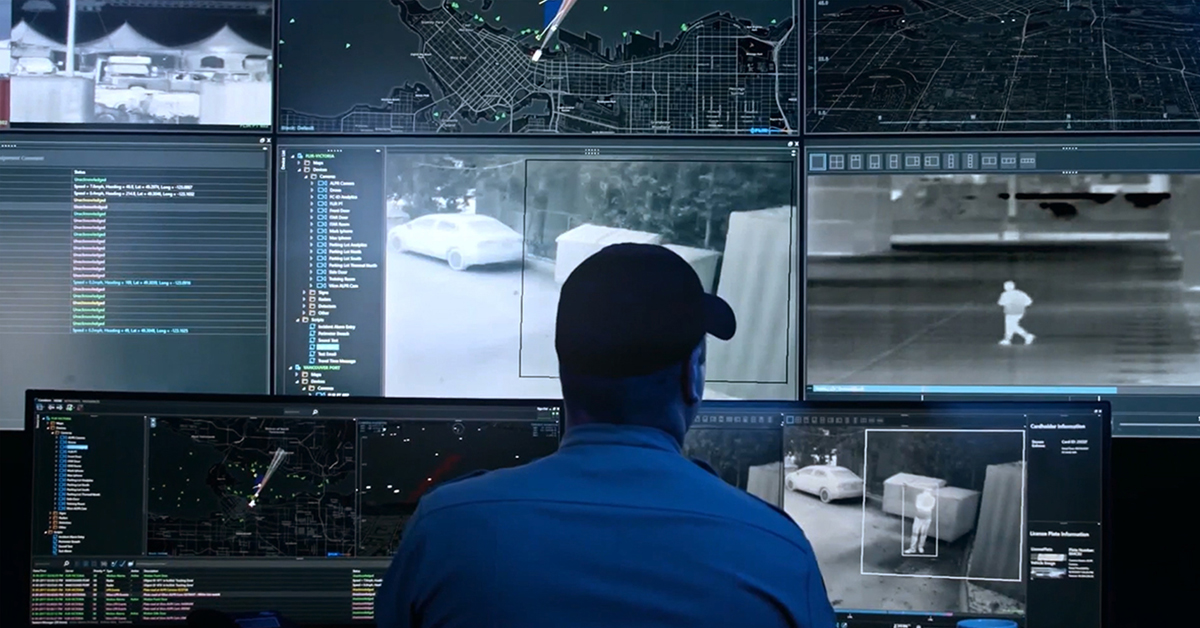
How Layering Multispectral PTZ Cameras and Radars Improve Perimeter Protection
POWER REMOTE RESET TECHNOLOGY - PRRT

Why Yacht Owners are Adding Thermal Imaging Cameras to Minimise the Risk of Lithium-Ion Battery Fires?
.png)
Intelligent Transportation Systems
Best Practices Guide for Perimeter Security Applications
Protect Pedestrians, Bicyclists and More with Thermal Smart Sensors
White Paper: Application of Ground-Based Security Radar to Perimeter Systems
What is Thermal Leakage and How to Reduce Its Risks
Battery Inspection Using Advanced Thermography
Providing ire Protection for Lithium Battery Storage
The Power of Thermal Imaging
.png)
Why Panel PCs Are Perfect For Industrial Applications?

Teledyne DALSA
.png)
Advantages of Virtual Barrier Video Analytics for Perimeter Security Systems
.png)
.png)
NASA Takes the Teledyne FLIR Boson Thermal Camera Module Out of this World
.png)
Port Security Enhancement: DP World Yarımca's Trust in FLIR Security Solutions for Effective and Safe Port Operations
.png)
The Importance of Thermal Sensitivity (NETD) for Detection Accuracy
.png)
Bosphorus Boat Show 2025: The Meeting Point of the Maritime World
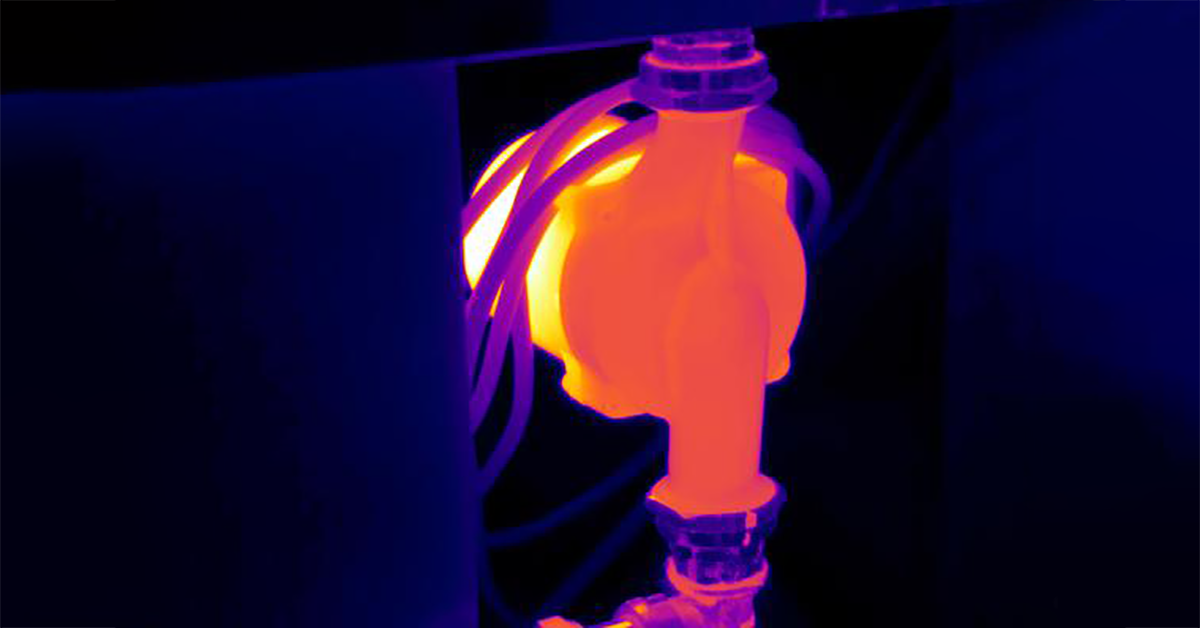
Application Spotlight: Critical Asset Monitoring for Thermal Conditions
.png)
Thermal Imaging for Marine Firefighting
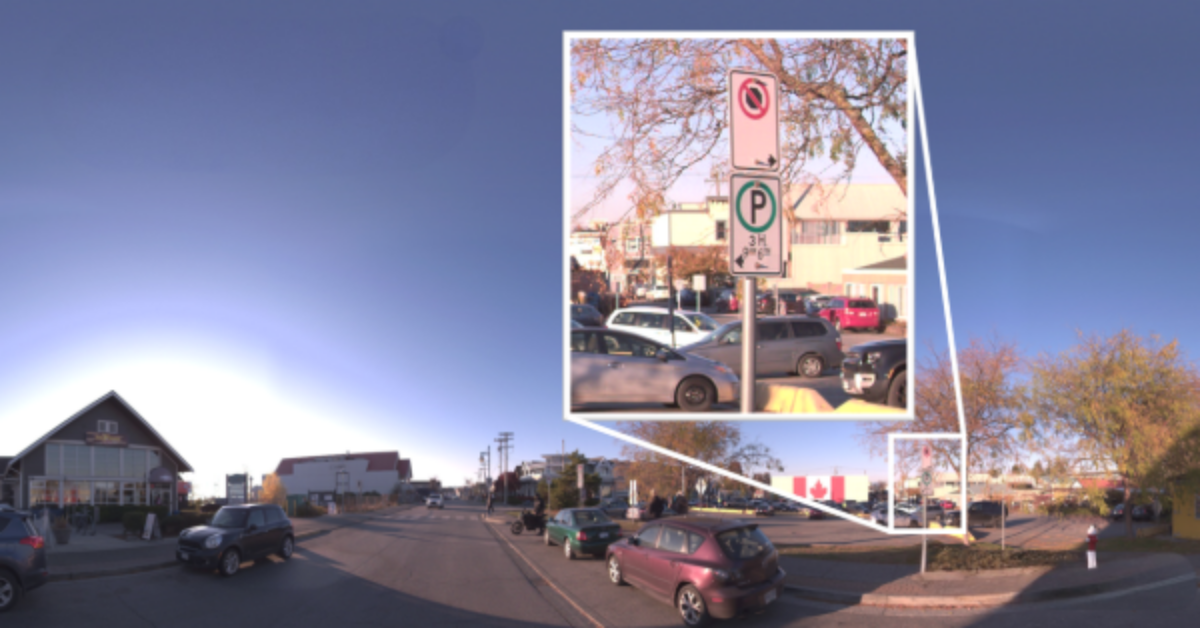
Imaging in Mobile Mapping
.png)
Using Thermal Imaging for Oil Spill Detection
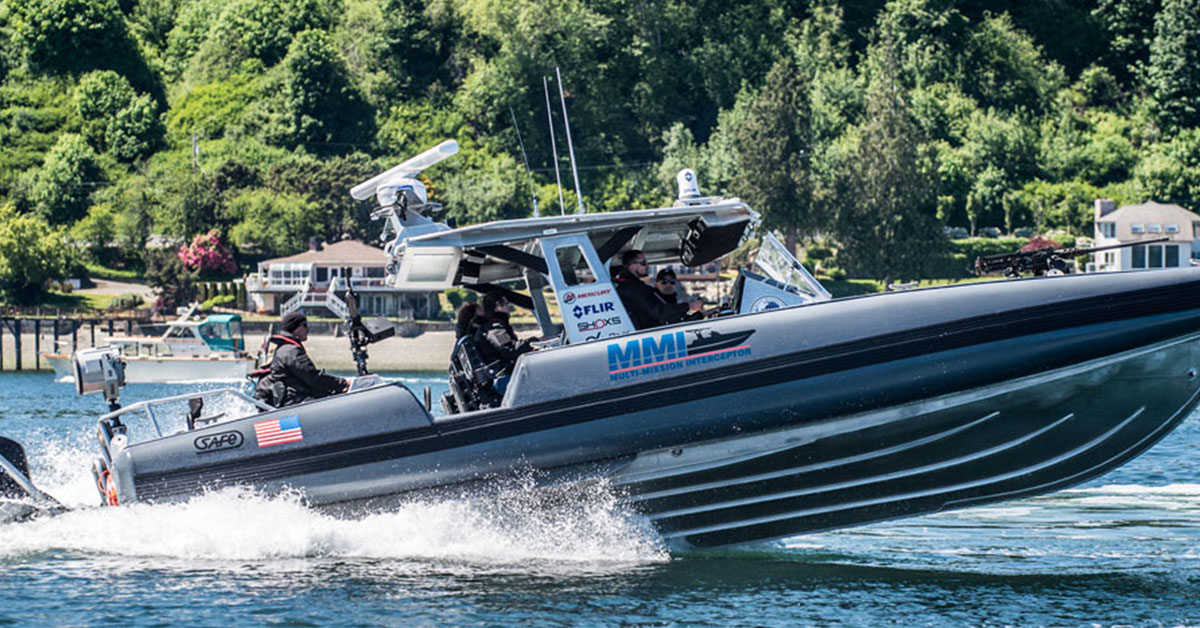
Five Reasons Maritime First Responders Need Thermal Imaging
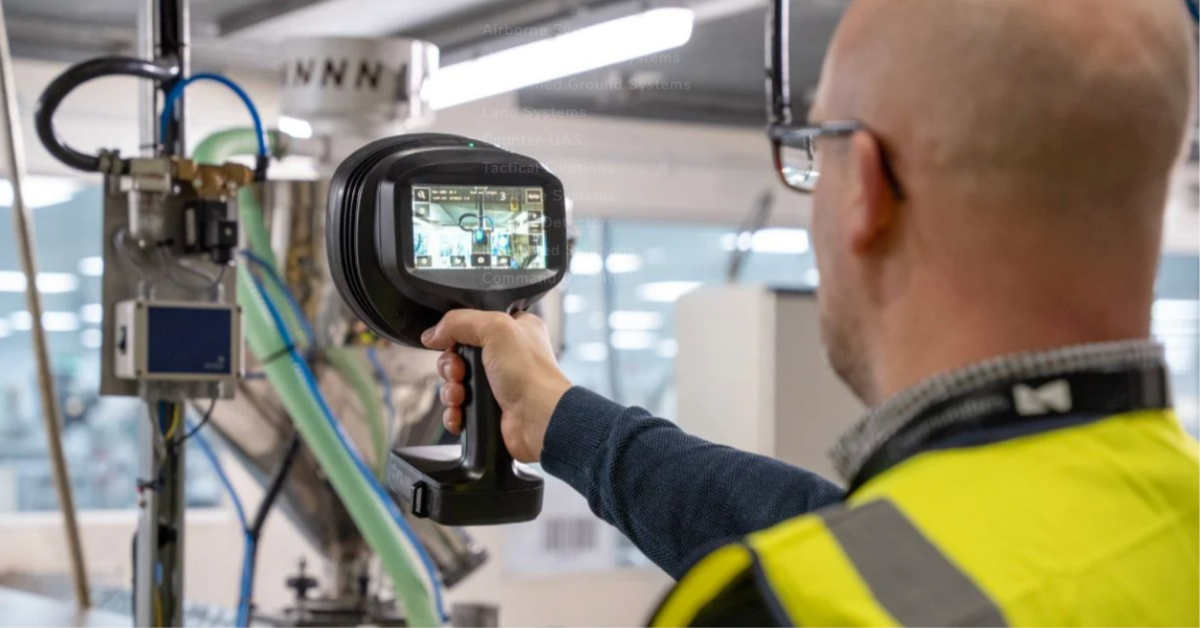
Case Study: Tackling Compressed Air Leaks in Automotive Parts Manufacturing with Acoustic Imaging
Thermal Night Vision as a Force Multiplier
.png)
Line Scan Contact Image Sensor - AxCIS
Beyond Resolution: What Really Makes a Camera System Work for Mobile Mapping
.png)
Multispectral Marine Cameras for USV Applications
.png)
Stabilizing FLIR Cameras for Smooth Viewing in Rough Waters
 (1).png)
Enhancing Maritime Safety with Video Tracking & Radar Integration
