
 TR
TR English


How to select the right machine vision system
Machin vision has seen more and more deployments in factories around the world, given their ability to “see” stains, color nuances or other defects that are otherwise too small to be detected by the human eye. Selecting the right vision system requires a basic understanding of the inner workings of the system and ultimately depends on the user’s own needs and objectives as well as environmental conditions inside the factory.
Typically, components in a machine system include: cameras (along with lenses and image sensors), lighting, frame grabbers, and software. “There are two types of industrial camera: line-scan cameras and area-scan cameras. More line-scan cameras are used in machine vision systems, since they can generate higher-resolution images compared to area-scan cameras,” said Hongsuk Lee, Business Development Manager at SuaLab. “Frame grabbers capture individual, digital still frames from an analog or digital video stream. Video frames are usually captured in digital form as it needs to be transmitted.”
Lee added that a good machine vision system entails the combination of high quality hardware and software. “A good machine vision system is a system with high defect detection rate. To do this, good hardware must be installed to obtain good images, which should be analyzed with high-performance machine vision software,” he said. “No matter how good the hardware configuration is, if the image analysis capability is low, it cannot be a good machine vision system.”
Increasingly, machine vision systems leverage the power of deep learning whereby a system is fed with images of good samples and bad samples, and eventually it will make its own inferences, recognizing defects or bad spots on its own.
Lee cited his company’s technology applied to the textile industry as an example. “We are the first company in the world to commercialize a textile unmanned inspection system using deep learning technology. It has been difficult to apply the machine vision system to the textile industry for two reasons. First, the background of the textile product is complicated so it is difficult to detect the defect with a simple rule-based algorithm. In addition, because the product cycle is short, there is not enough time to optimize the algorithm. To solve this problem, we applied a self-customizing engine to machine vision system so that it can detect undetected textile defects and quickly respond to fast product switching,” he ssaid..png)
How to choose the right system
Since end user entities operate in different industries, they are bound by specific manufacturing rules or requirements. The machine vision system they choose therefore should be able to suit those needs and requirements. Bruno Menard, Program Manager for Embedded Vision at Teledyne DALSA, summarized the points to be looked at as follows:
- Determine the task that needs to be performed by the vision system since different tasks may require different vision attributes. A machine vision system designed for one task may not be well suited for the other.
- Define the key visual performance criteria to ensure the camera and lens are performing at the right levels. Factors such as the smallest object or defect to detect, measurement accuracy needed, the image size, speed of image capture and processing, and the need for color all affect camera and lens choices.
- Environmental factors need to be considered since some cameras suit stationary views while others are more suitable for handling linear object motion. Temperature, humidity and vibration can impose a need for specific system fabrication and assembly practices. The physical space for installing the system can restrict camera and lens choices.
The end user should also consider from an economic perspective: If buying a machine vision system does not warrant a return on investment, then relying on traditional labor may be the better alternative.
Blog Yazıları
Termal Kamera Seçimi
Ne Kadar Uzağı Görebilirim?
İnsan Sıcaklığı Nasıl Ölçülmeli?
Wide Dynamic Range Nedir?
MyNoIse Ses Karıştırıcı İncelemesi

Kablosuz Dağıtım Sistemi Nedir?

Poe Vs. Poe+ VS. Poe++: Endüstriyel Ethernet Anahtarı Nasıl Doğru Seçilir?
Endüstri Lideri Endüstriyel Ethernet Anahtarları

Endüstriyel Nesnelerin İnternetinin Ne Olduğunu Anlamak
Hub, Switch Ve Yönlendirici Arasındaki Fark
Termal Görüntüleme Kameralarının 5 Faydası
Endüstriyel Ethernet Ve Normal Ethernet Arasındaki Fark

Otonom Araçlar İçin Kullanılan Endüstriyal Ağ Ekipmanları

Siber Güvenlik: Endüstriyel Kontrol Sistemlerini Koruma
Endüstriyel Ağlar Dronlar'a Karşı Nasıl Güvenlik Sağlayabilir ?
.webp)
Termal Kameralar Evinizi Nasıl Serin Tutacağınızı Açıklıyor
Flir One Pro
.png)
Soğutmalı Termal Görüntüleme ile Eşsiz Denizcilik Bilinci
.png)
Sizin İçin Doğru El Tipi Termal Kamera Nedir?
.png)
Kamera Çözünürlüğü ve Menzil
.png)
Deniz Kameraları için Özel Uygulamalar
.png)
Termal Görüntüleme ile Gece Görüşü Arasındaki Fark Nedir?
.png)
Termal Görüntüleme Sis ve Yağmur İçini Görebilir mi?
Hangi Cx-Serisi Kamera Size Uygun?
.png)
MSX® nedir?
Denizcilikte İlk Müdahale Ekibinin Termal Görüntüleme Gerektirmesinin Beş Nedeni
.png)
Üstün Termal Kameraların 3 Ayırt Edici Özelliği
.png)
Görünür ve Termal Güvenlik Kameralardan Hangisine İhtiyacınız Var Belirleyin
Bullet - PTZ - Dome: Hangi Güvenlik Kamerası Size Uygun?
Makine Görüşü için Arayüzler
Yapay Görme Sensörü İncelemesi
.png)
Sektör Lideri Teledyne FLIR, 20 mK Dan Daha Az Hassasiyete Sahip, Uzun Dalga Kızılötesi Termal Kamera Modülü Boson +'ı Piyasaya Sürüyor
.png)
Teknik İnceleme: IP Tabanlı Güvenlik Yakınsaması
.png)
Güvenli Şehirleri Akıllı Şehirlere Dönüştüren 3 Teknoloji
.png)
Sahadan İçgörüler: Giriş Kontrolü İçin Termal Kamera Taraması Kullanarak İş Yeri Güvenliğinin Sağlanması
Kuvvet Çarpanı Olarak Termal Gece Görüşü
Termal Görüntüleme Duvarların Arkasını Görebilir mi? Ve Diğer Sık Sorulan Sorular
Uygulama Özeti: Hızlı Isı Üretimi için Erken Yangın Tespiti
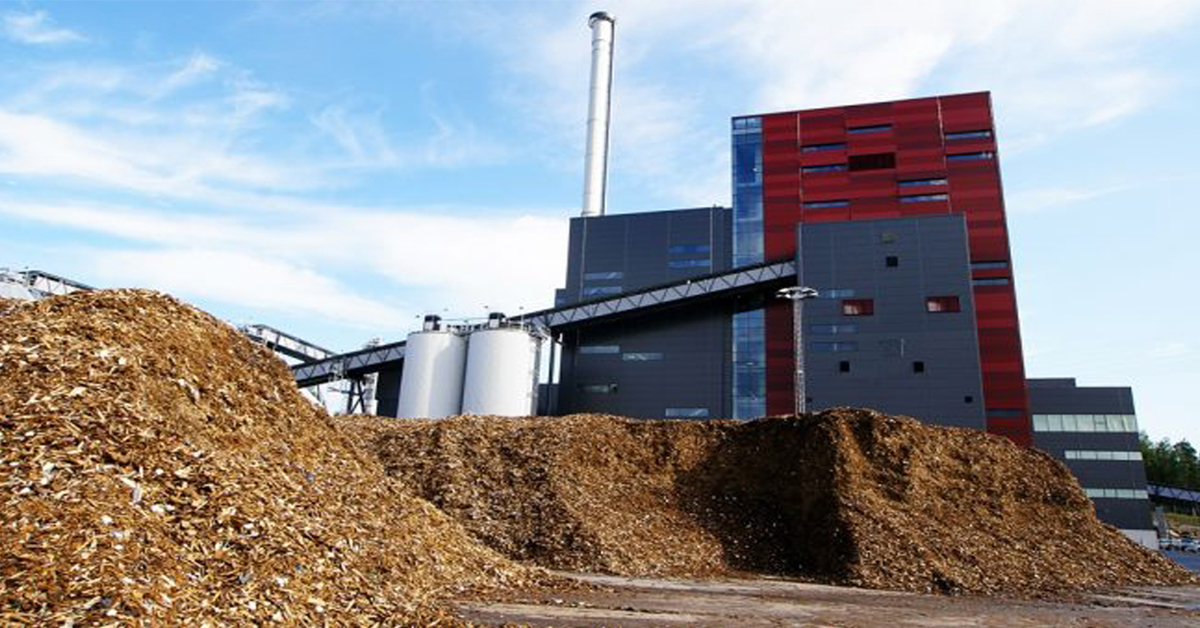
Erken Yangın İşaretlerini Tespit Ederek Personeli ve Ekipmanı Koruyun
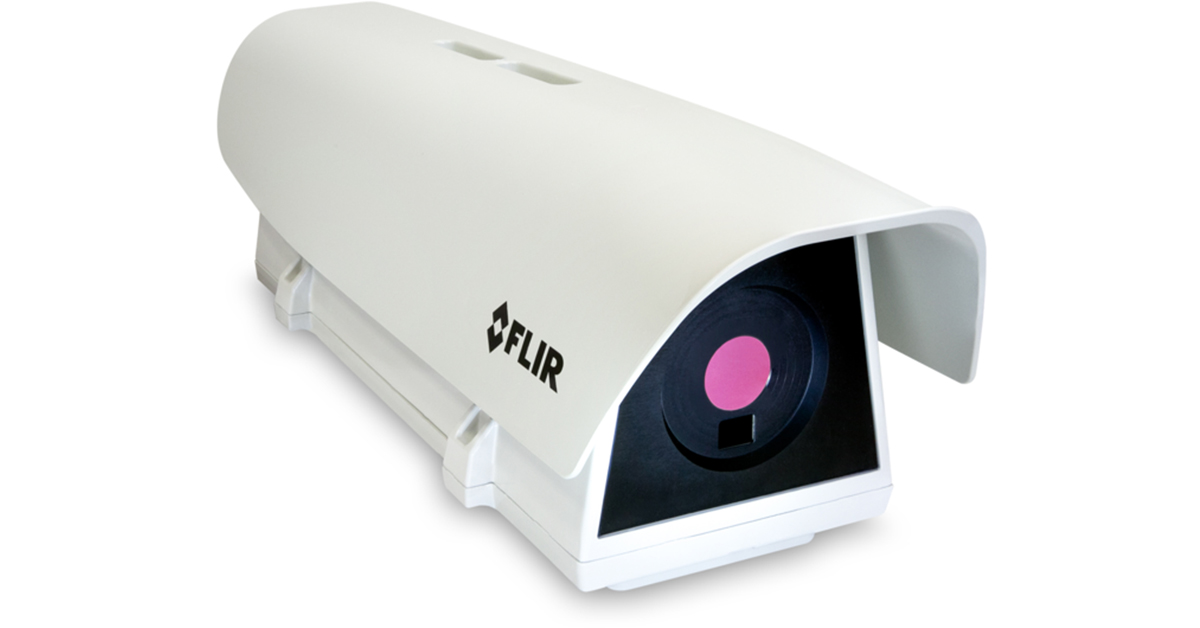
Teledyne FLIR, Yangın Algılama ve Durum İzleme için A500f/A700f Kameralarını Piyasaya Sürüyor
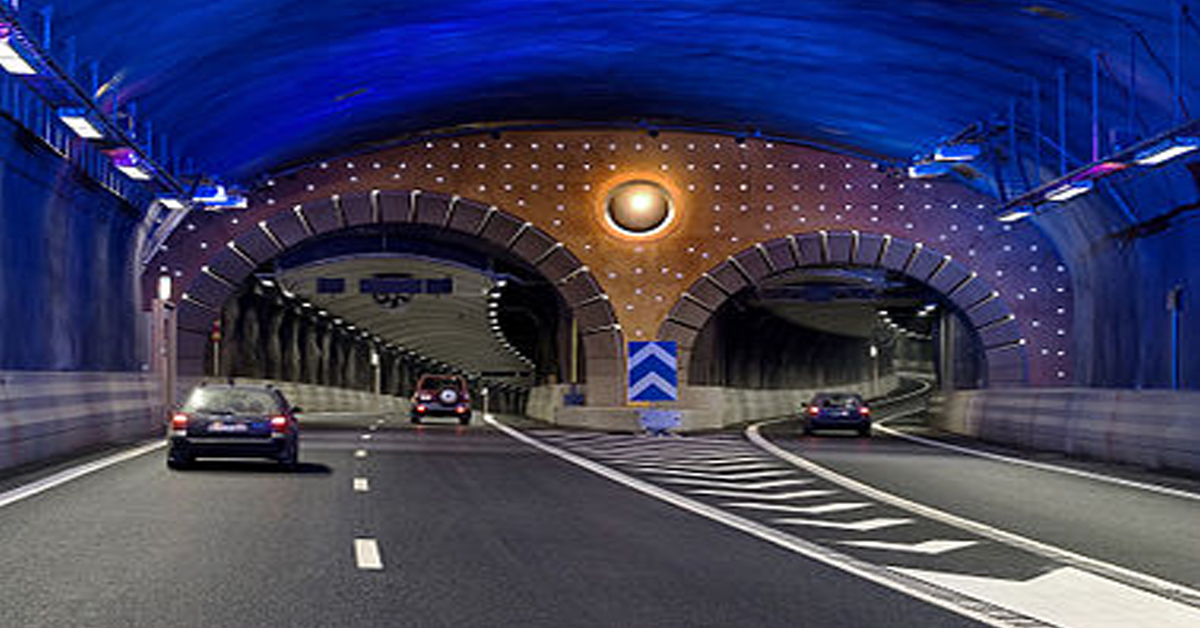
Termal Görüntüleme Kameraları, Tünellerde Yangın Güvenliğini Garanti Etmeye Yardımcı Olur
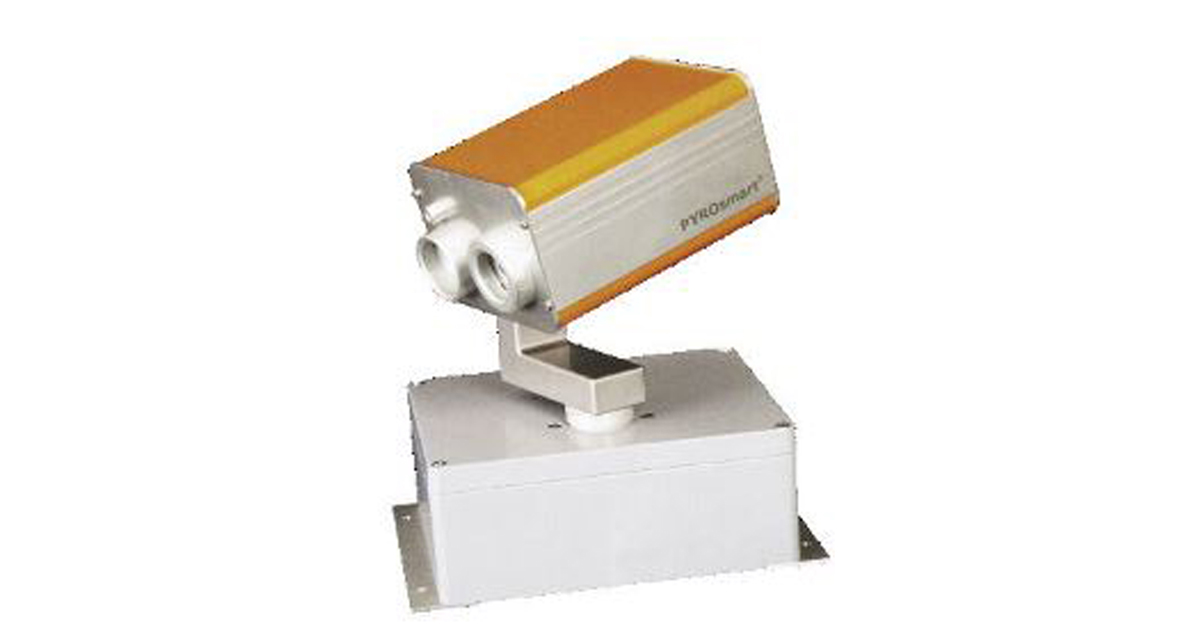
Termal Görüntüleme Kameraları Yangınları Önlemeye Yardımcı Olur
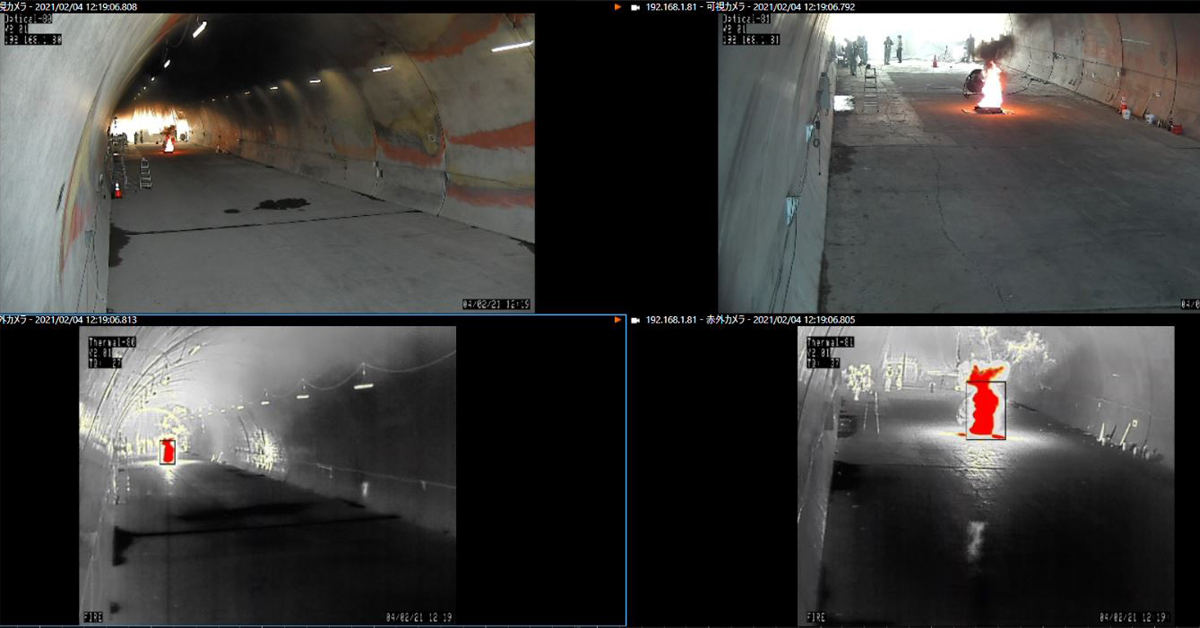
ITS Serisi Dual AID, Japonya'daki Yangın Algılama Sistemleri Standartlarını Aşıyor
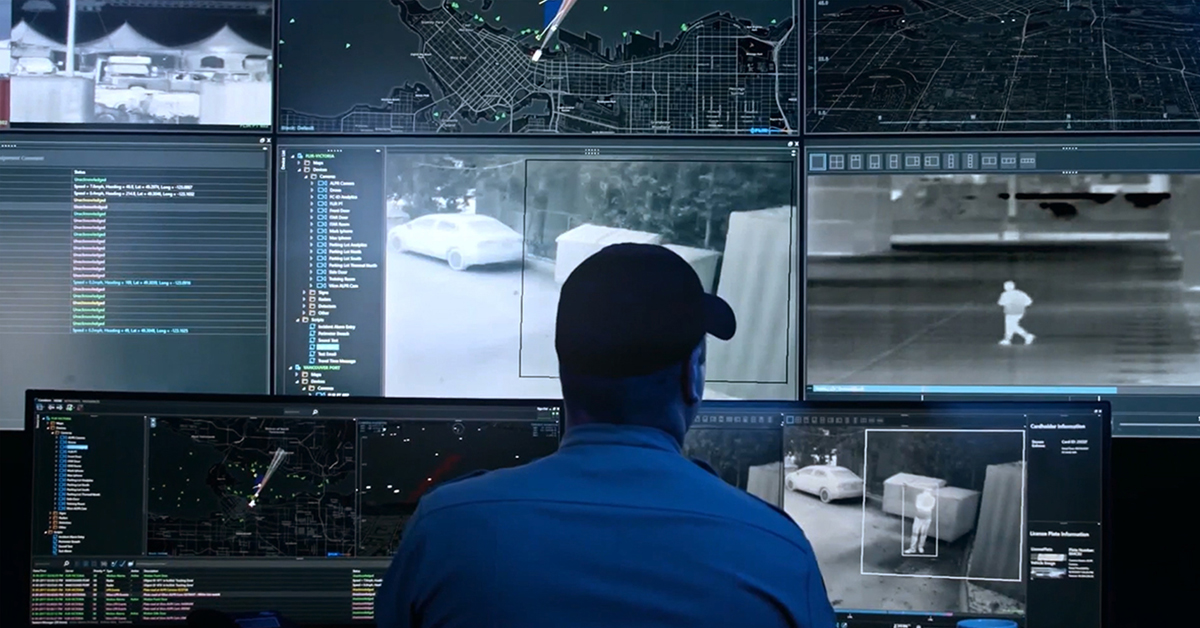
PTZ Kamera ve Radarları Tabakalama Yöntemi ile Kullanmak Çevre Korumasını Nasıl Geliştirir?
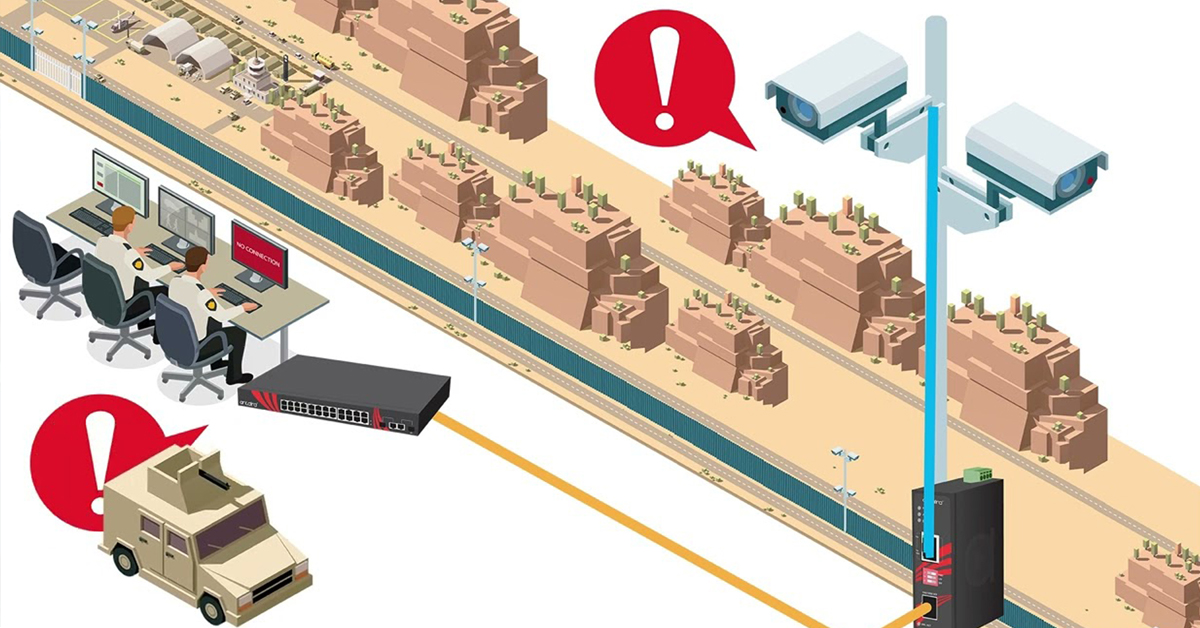
Uzaktan Güçle Sıfırlama Teknolojisi
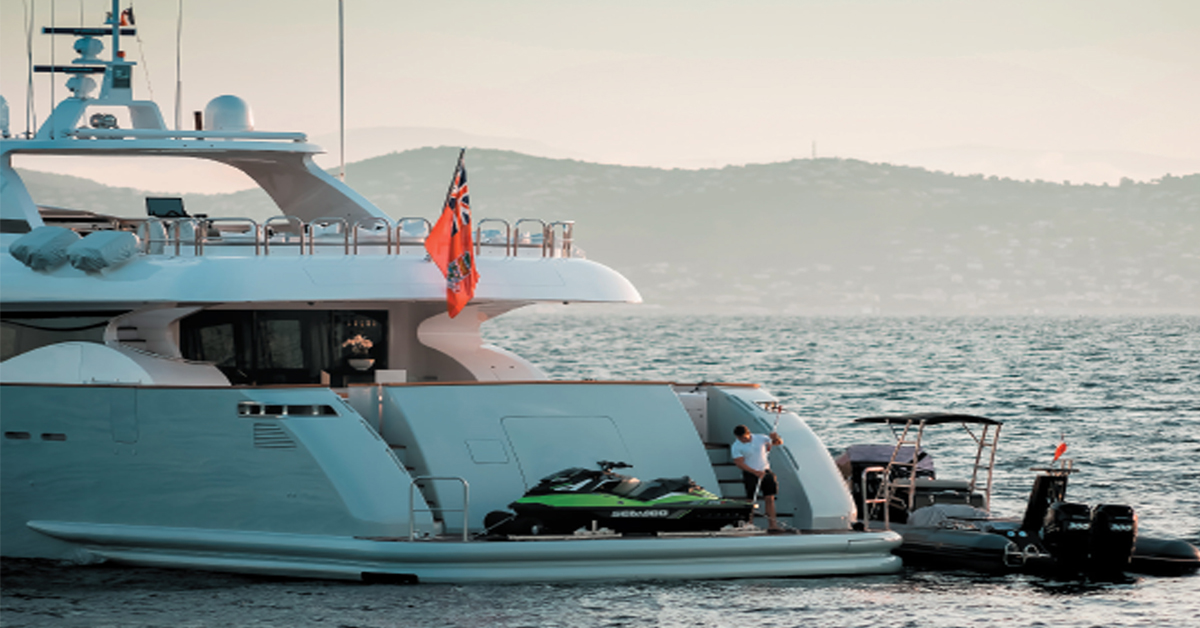
Yat Sahipleri Neden Lityum Iyon Pil Yangin Riskini Azaltmak Için Termal Kameralari Tercih Ediyor?
.png)
Akıllı Taşımacılık Sistemleri
Çevre Güvenliği Uygulamaları için En İyi Uygulamalar Kılavuzu

Termal Akıllı Sensörlerle Yayaları, Bisikletlileri ve Daha Fazlasını Koruyun
Teknik İnceleme: Çevre Sistemlerine Yer Tabanlı Güvenlik Radarının Uygulanması
Termal Kaçak Nedir?
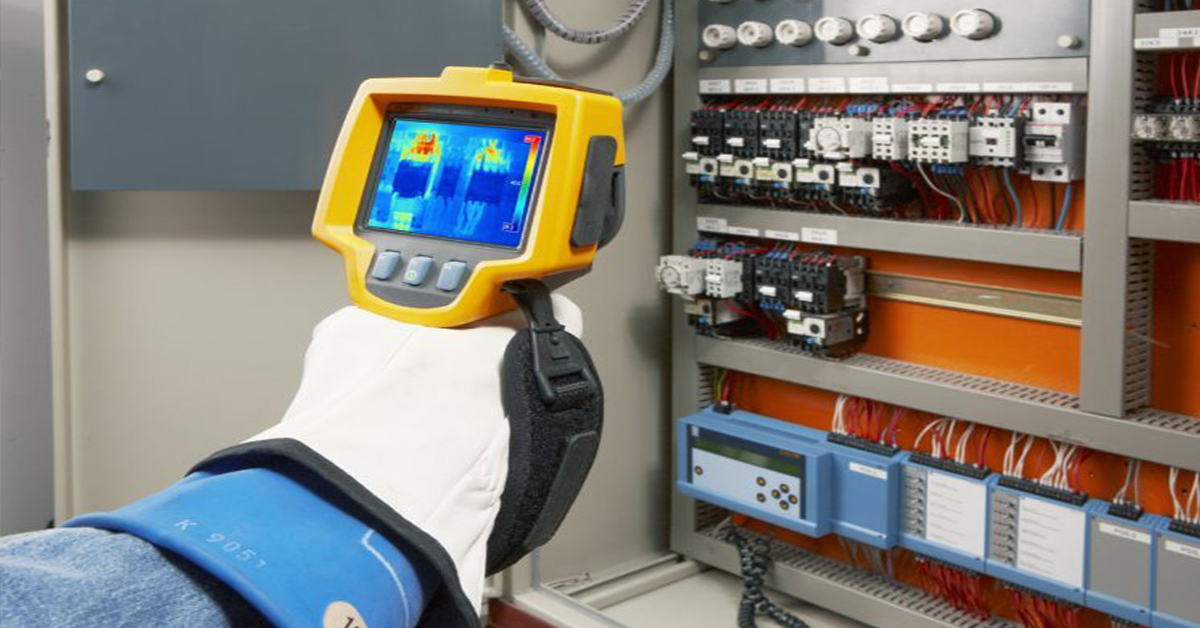
Gelişmiş Termografi Kullanarak Akü Muayenesi
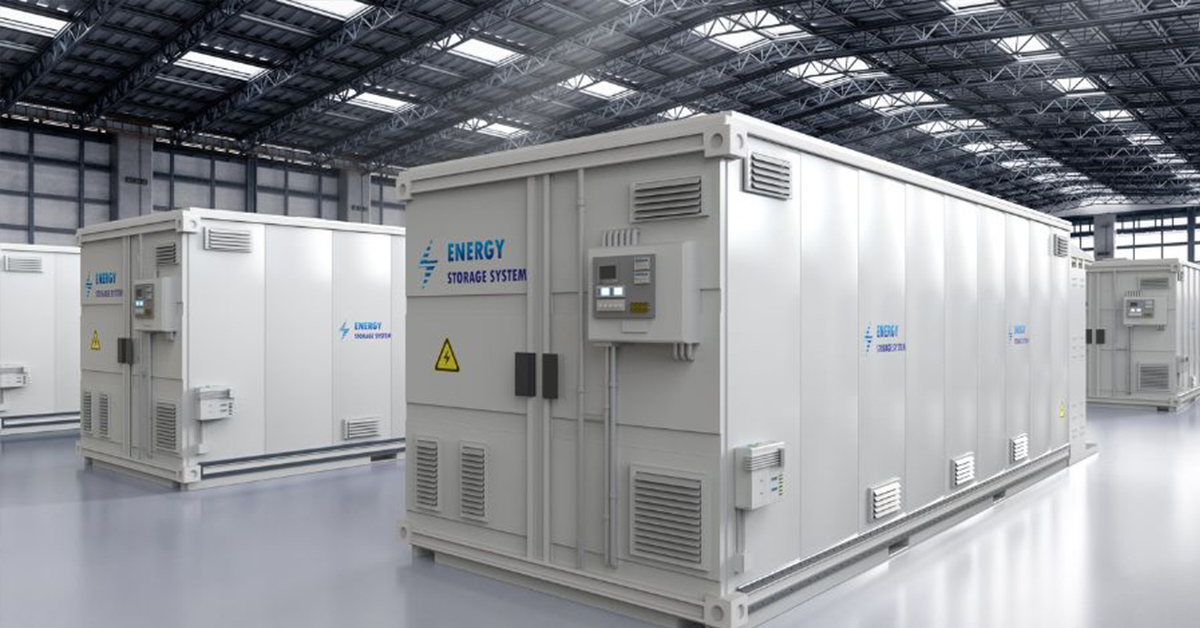
Lityum Pil Depolama için Yangından Korunma Sağlanması
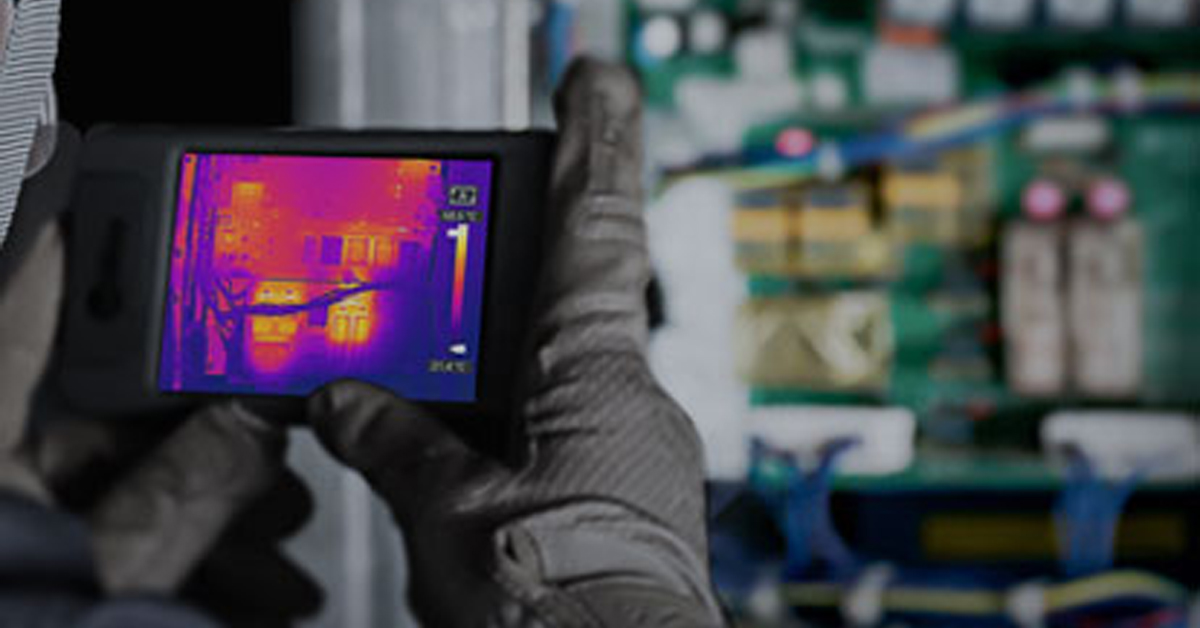
Termal Görüntülemenin Gücü
.png)
Panel PC'ler Neden Endüstriyel Uygulamalar İçin Mükemmeldir?

Teledyne DALSA
.png)
Sanallaştırılmış Bariyer Video Analitiği'nin Çevre Güvenlik Sistemleri İçin Avantajları
.png)
FLIR M364C ile Suda
.png)
NASA, FLIR Boson Termal Kamerayı Uzaya Taşıyor
.png)
Liman Güvenliğini Artırma: DP World Yarımca’nın Etkin ve Güvenli Liman Operasyonlarında FLIR Güvenlik Çözümlerine Güveni
.png)
Tespit Doğruluğu için Termal Hassasiyetin (NETD) Önemi
.png)
Bosphorus Boat Show 2025: Denizcilik Dünyasının Buluşma Noktası
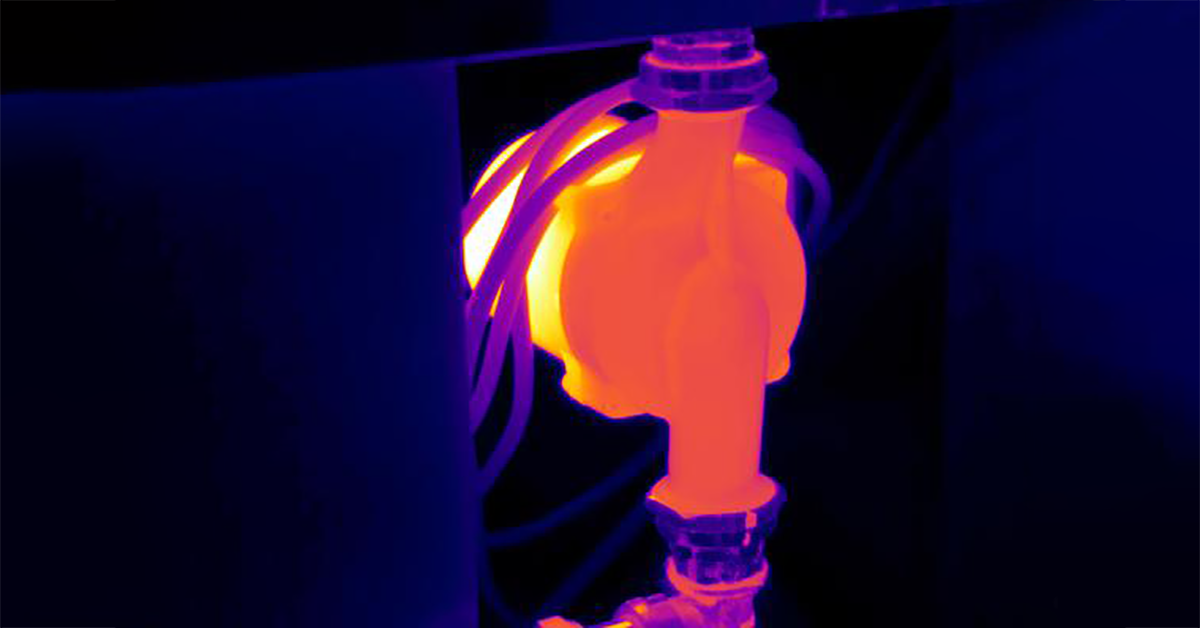
Uygulama İncelemesi: Kritik Varlıkların Termal Koşullar Altında İzlenmesi
.png)
Deniz Yangınlarıyla Mücadelede Termal Görüntüleme
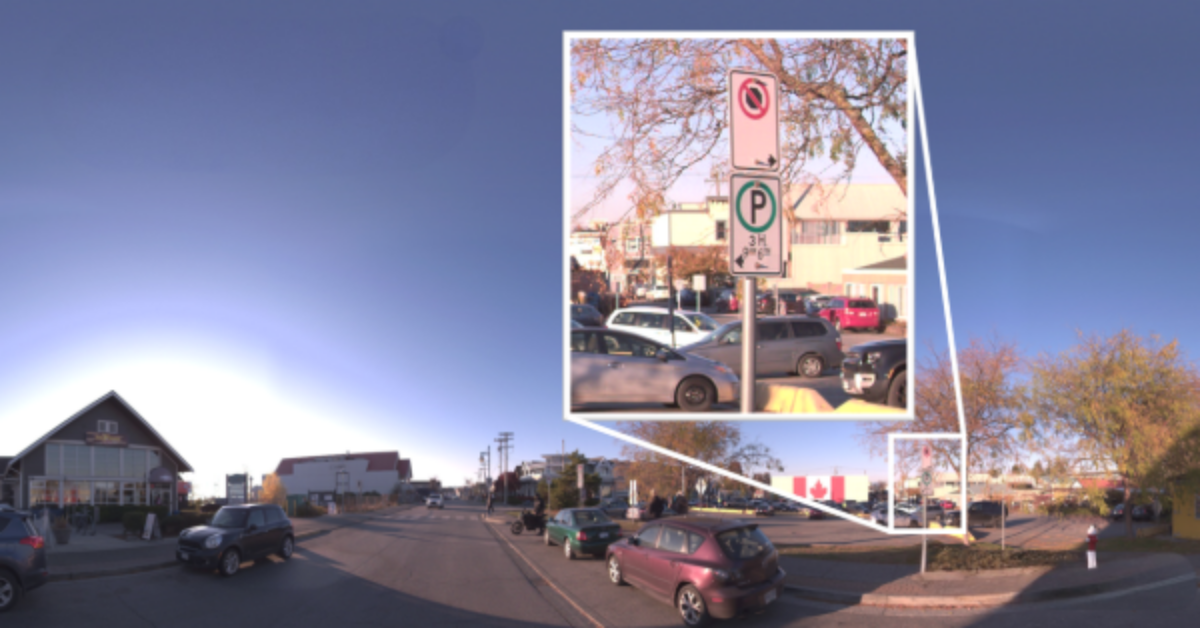
Mobil Haritalamada Görüntüleme
.png)
Petrol Sızıntısı Tespiti için Termal Görüntüleme
Denizde Hayat Kurtaran Teknoloji: Termal Görüntülemenin 5 Avantajı
Vaka Analizi: Otomotiv Üretiminde Akustik Görüntüleme ile Verimlilik
Karanlıkta Güvenliğin Anahtarı: Termal Görüş Teknolojisi
.png)
Çizgi Tarama Temas Görüntü Sensörü - AxCIS
Çözünürlüğün Ötesinde: Mobil Haritalamada Kamera Sistemlerinin Gerçekten İşe Yaramasını Sağlayan Unsurlar
.png)
USV Uygulamaları için Çok Spektral Deniz Kameraları: Gelişmiş Görüntüleme Çözümleri
.png)
Dalgalı Denizlerde Bile Net Görüş: FLIR Marine ile Üstün Görüntü Sabitleme
 (1).png)
Güvenli Seyir İçin Akıllı Çözüm: FLIR Marine Video Takibi ve Radar Entegrasyonu

Doğru Makine Görüntüleme Sistemi Nasıl Seçilir?
How to select the right machine vision system
Whitepaper: Applying Ground-Based Security Radar to Perimeter Systems
Beyaz Bülten: Çevre Güvenlik Sistemlerinde Yer Tabanlı Radar Uygulaması
Top Perimeter Security Trends for Critical Infrastructure
Kritik Altyapı için En İyi Çevre Güvenliği Eğilimleri
FLIR, Londra'daki New Covent Garden Market'in IP güvenlik sistemine geçişine yardımcı oluyor
The Tangible Advantages of Flir Nexus
Flir Nexus’un Somut Avantajları
Teledyne Healthcare, RSNA 2024’te ileri görüntüleme yeniliklerini sergileyecek